

-

About Us
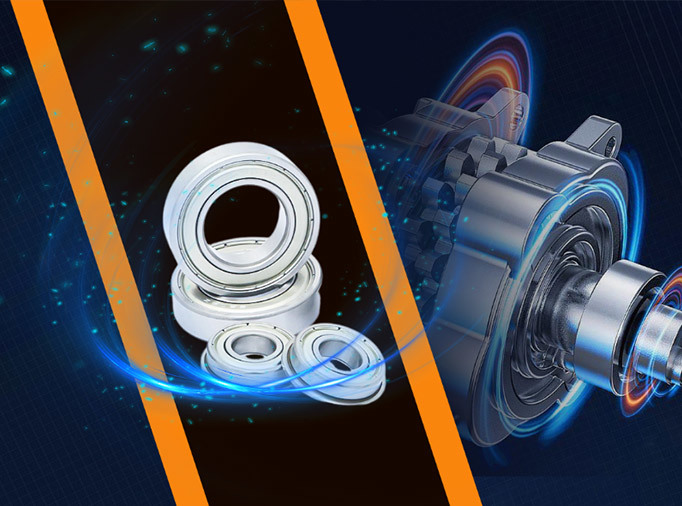
Ningbo Zhenhai Jinjinnaichi (NJJ) Bearing Co., Ltd. is a national high-tech enterprise specializing in the production of small-sized thin-wall low-noise deep-groove ball bearings.
-
Products
The company insists on relying on technological progress, adopting advanced technology and introducing advanced equipment, and is committed to the development and development of low noise bearings.
-

News
Now has more than 130 automatic production lines, equipped with a full set of advanced bearing testing equipment, has a full set of automatic assembly line, the use of automatic line in one step.
-

Contact
At present, the company selects the high-quality supplier resources in the industry, supporting the supply of bearing steel, steel ball, cage, dust cover and a series of raw materials


Exploring the World of Miniature Precision Bearings: A Comprehensive Guide
Time:
2024-05-21
In the world of industrial equipment and components, miniature precision bearings play a crucial role in ensuring smooth and efficient operation. These small but mighty components are essential for supporting rotating shafts and reducing friction, making them a key element in a wide range of machinery and applications. In this comprehensive guide, we will delve into the different types of miniature precision bearings, their unique characteristics, applications, benefits, and maintenance tips to help you gain a deeper understanding of these essential components.
## What are Miniature Precision Bearings?
Miniature precision bearings are specialized bearings that are designed to operate in high-speed and high-precision applications. These bearings are typically smaller in size compared to standard bearings, making them ideal for industries where space is limited or where high levels of precision are required. Miniature precision bearings are commonly used in industries such as aerospace, medical equipment, robotics, and more, where precise motion control is essential.
## Types of Miniature Precision Bearings
There are several types of miniature precision bearings available, each designed for specific applications and operating conditions. Some of the most common types include:
- Ball Bearings
- Roller Bearings
- Thrust Bearings
- Angular Contact Bearings
- Radial Bearings
- Flange Bearings
### Ball Bearings
Ball bearings are the most common type of miniature precision bearings and are designed to support radial and axial loads. These bearings consist of a series of small balls that allow for smooth rotation and minimal friction.
### Roller Bearings
Roller bearings are designed to support heavy radial loads and are commonly used in applications where high load capacity is required. These bearings use cylindrical rollers to distribute the load evenly and reduce friction.
### Thrust Bearings
Thrust bearings are designed to support axial loads and are commonly used in applications where high-speed and precision are essential. These bearings are ideal for applications such as machine tools, automotive transmissions, and aerospace equipment.
### Angular Contact Bearings
Angular contact bearings are designed to support both radial and axial loads and are commonly used in applications where high precision and accuracy are required. These bearings have a contact angle that allows for increased rigidity and improved performance.
### Radial Bearings
Radial bearings are designed to support radial loads and are commonly used in applications where high-speed rotation is required. These bearings are ideal for applications such as electric motors, fans, and pumps.
### Flange Bearings
Flange bearings are designed with an extended inner ring and flange that allows for easy mounting and positioning. These bearings are commonly used in applications where space is limited or where precise alignment is required.
# Applications of Miniature Precision Bearings
Miniature precision bearings are used in a wide range of applications across various industries due to their high precision, reliability, and performance. Some common applications include:
- Aerospace equipment
- Medical devices
- Robotics
- Machine tools
- Automotive components
- Electronics
- Industrial machinery
These bearings play a crucial role in ensuring the smooth and efficient operation of machinery and equipment in these industries, making them an essential component for achieving optimal performance and productivity.
# Benefits of Miniature Precision Bearings
There are several benefits to using miniature precision bearings in industrial equipment and components, including:
- High precision and accuracy
- Low friction and reduced wear
- Increased efficiency and performance
- Long service life and durability
- Compact design for space-saving
These benefits make miniature precision bearings a popular choice for industries that require reliable and efficient operation of their machinery and equipment.
# Maintenance Tips for Miniature Precision Bearings
Proper maintenance is essential to ensure the longevity and performance of miniature precision bearings. Here are some tips to help you maintain your bearings:
- Regular lubrication to reduce friction and wear
- Inspect for signs of damage or wear
- Ensure proper alignment and mounting
- Monitor for abnormal noise or vibration
- Follow manufacturer's guidelines for maintenance
By following these maintenance tips, you can prolong the life of your miniature precision bearings and ensure optimal performance in your industrial equipment.
# Conclusion
In conclusion, miniature precision bearings are essential components in the industrial equipment industry, providing high precision, reliability, and performance in a wide range of applications. Understanding the different types of miniature precision bearings, their applications, benefits, and maintenance tips can help you make informed decisions when selecting and maintaining these critical components for your machinery and equipment. By leveraging the knowledge and insights shared in this guide, you can optimize the performance and efficiency of your industrial equipment with the right miniature precision bearings.
Related recommend
Share
-
-
linkedin
-
VKontakte
-
YouTube
-
Twitter
-
TikTok
-
instagram
-
WhatsApp
-
E-mail

SERVICE HOTLINE
Add:No. 9, Fengshuidun Road, Luotuo Street, Zhenhai District, Ningbo City
Tel:0086-574-86583010
Fax:0086-574-86575268
Mob:+86 15869336060
E-mail:njjbearing@gmail.com
WhatsAPP:+008615869336060/+0086 15857406704
Copyright©2023 Ningbo Zhenhai JinjinnaichiBearing Co., Ltd. Powered by 300.cn SEO