

-

About Us
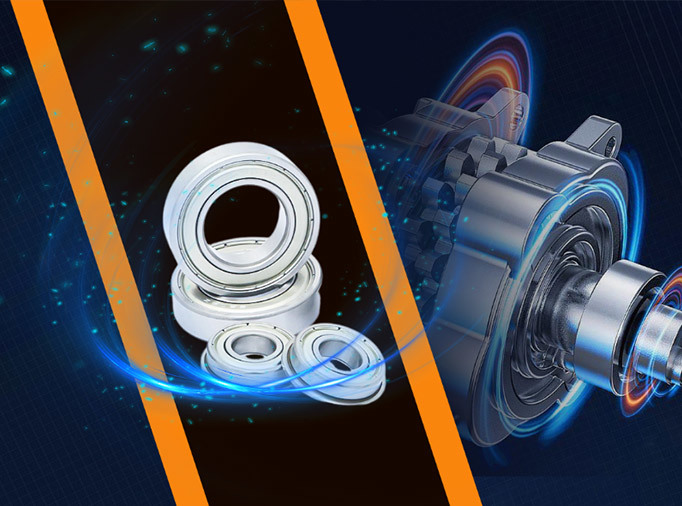
Ningbo Zhenhai Jinjinnaichi (NJJ) Bearing Co., Ltd. is a national high-tech enterprise specializing in the production of small-sized thin-wall low-noise deep-groove ball bearings.
-
Products
The company insists on relying on technological progress, adopting advanced technology and introducing advanced equipment, and is committed to the development and development of low noise bearings.
-

News
Now has more than 130 automatic production lines, equipped with a full set of advanced bearing testing equipment, has a full set of automatic assembly line, the use of automatic line in one step.
-

Contact
At present, the company selects the high-quality supplier resources in the industry, supporting the supply of bearing steel, steel ball, cage, dust cover and a series of raw materials


Understanding Roller Bearings: A Comprehensive Guide for Industrial Applications
Time:
2024-08-05
### Types of Roller Bearings
Roller bearings come in several types, each designed for specific applications. The most common types include:
1. **Cylindrical Roller Bearings**: These bearings feature cylindrical rollers and are ideal for applications with high radial loads. They are commonly used in gearboxes, electric motors, and various heavy machinery.
2. **Spherical Roller Bearings**: Designed to accommodate misalignment, spherical roller bearings consist of two rows of rollers that can adjust to angular misalignment between the shaft and the housing. This makes them suitable for applications such as wind turbines and large industrial fans.
3. **Tapered Roller Bearings**: With an inner raceway that is tapered, these bearings are excellent for handling both radial and axial loads. They are widely used in automotive applications, such as wheel hubs and transmissions, due to their ability to manage heavy loads and high-speed operations.
### Advantages of Roller Bearings
Roller bearings offer several advantages that make them a preferred choice in industrial settings:
- **High Load Capacity**: The design of roller bearings allows them to handle significantly higher loads than their ball-bearing counterparts, making them ideal for heavy machinery and equipment.
- **Reduced Friction**: The cylindrical shape of the rollers minimizes contact area and friction, which in turn leads to improved efficiency and reduced heat generation.
- **Longevity**: With proper maintenance, roller bearings tend to have a longer service life. Their robust construction and ability to handle shock loads make them suitable for demanding applications.
### Applications of Roller Bearings
Roller bearings are utilized in a wide range of industries, including:
- **Manufacturing**: Used in various machinery, from conveyors to CNC machines, roller bearings help maintain precision and efficiency.
- **Automotive**: They play a crucial role in vehicle axles, transmissions, and differential systems, contributing to overall performance and safety.
- **Aerospace**: In aircraft engines and landing gear, roller bearings ensure reliable operation under extreme conditions.
### Conclusion
Understanding the characteristics and benefits of roller bearings is essential for professionals working in the industrial equipment sector. By choosing the right type of roller bearing for specific applications, businesses can enhance machinery performance, reduce downtime, and ultimately improve productivity. Whether in manufacturing, automotive, or aerospace industries, the proper application of roller bearings can lead to significant operational advantages.
Related recommend
Share
-
-
linkedin
-
VKontakte
-
YouTube
-
Twitter
-
TikTok
-
instagram
-
WhatsApp
-
E-mail

SERVICE HOTLINE
Add:No. 9, Fengshuidun Road, Luotuo Street, Zhenhai District, Ningbo City
Tel:0086-574-86583010
Fax:0086-574-86575268
Mob:+86 15869336060
E-mail:njjbearing@gmail.com
WhatsAPP:+008615869336060/+0086 15857406704
Copyright©2023 Ningbo Zhenhai JinjinnaichiBearing Co., Ltd. Powered by 300.cn SEO