

-

About Us
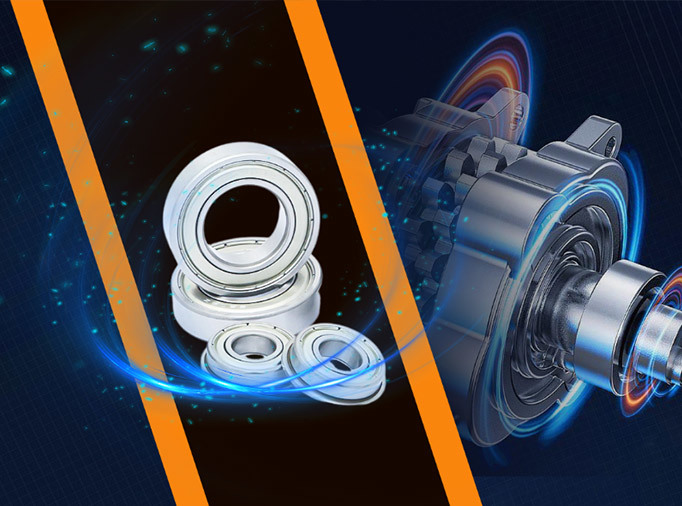
Ningbo Zhenhai Jinjinnaichi (NJJ) Bearing Co., Ltd. is a national high-tech enterprise specializing in the production of small-sized thin-wall low-noise deep-groove ball bearings.
-
Products
The company insists on relying on technological progress, adopting advanced technology and introducing advanced equipment, and is committed to the development and development of low noise bearings.
-

News
Now has more than 130 automatic production lines, equipped with a full set of advanced bearing testing equipment, has a full set of automatic assembly line, the use of automatic line in one step.
-

Contact
At present, the company selects the high-quality supplier resources in the industry, supporting the supply of bearing steel, steel ball, cage, dust cover and a series of raw materials


Maximizing Efficiency: Deep Groove Ball Bearings in Mechanical Systems
Time:
2024-10-08
Maximizing Efficiency: Deep Groove Ball Bearings in Mechanical Systems
Table of Contents
- 1. Introduction to Deep Groove Ball Bearings
- 2. Understanding Bearings in Mechanical Systems
- 3. Advantages of Deep Groove Ball Bearings
- 4. Applications of Deep Groove Ball Bearings
- 5. Design and Construction of Deep Groove Ball Bearings
- 6. Installation and Maintenance Best Practices
- 7. Troubleshooting Deep Groove Ball Bearings
- 8. Future Trends in Bearing Technology
- 9. Frequently Asked Questions
- 10. Conclusion
1. Introduction to Deep Groove Ball Bearings
Deep groove ball bearings (DGBBs) are essential components in mechanical systems, renowned for their ability to accommodate both radial and axial loads. Their design features a deep raceway that enhances load capacity and minimizes friction, making them a preferred choice across various industries. In this article, we will delve into the mechanics of deep groove ball bearings, their applications, and how they maximize efficiency in mechanical systems.
2. Understanding Bearings in Mechanical Systems
Bearings are mechanical devices that allow for the smooth rotation or linear movement between two or more parts. They reduce friction between moving elements in machinery, ensuring that components operate efficiently and last longer. Among the various types of bearings, deep groove ball bearings stand out due to their versatile functionality and reliability.
2.1 Types of Bearings
While there are several types of bearings, including needle bearings, spherical bearings, and cylindrical bearings, deep groove ball bearings are particularly favored for their simplicity and effectiveness. They consist of an inner ring, an outer ring, a cage, and balls that serve as rolling elements.
2.2 Key Characteristics of Deep Groove Ball Bearings
- **Load Capacity:** DGBBs can handle both radial and axial loads, making them suitable for various applications.
- **Speed Capability:** Their design allows for operation at high speeds, which is crucial in many industrial applications.
- **Durability:** Made from high-quality materials, deep groove ball bearings exhibit excellent wear resistance and longevity.
3. Advantages of Deep Groove Ball Bearings
Deep groove ball bearings offer numerous benefits that make them a crucial component in mechanical systems.
3.1 High Efficiency and Performance
The design of deep groove ball bearings minimizes frictional losses, which translates to higher efficiency and performance in mechanical applications. This efficiency is particularly valuable in machines that operate continuously or at high speeds.
3.2 Versatility
These bearings are adaptable to various applications, from electric motors to automotive components, making them one of the most widely used types of bearings in the industry.
3.3 Cost-Effectiveness
Given their durability and performance, deep groove ball bearings often provide a cost-effective solution over time. Their extended lifespan reduces the need for frequent replacements, leading to lower maintenance costs.
4. Applications of Deep Groove Ball Bearings
Deep groove ball bearings are employed in a wide range of industries and applications, demonstrating their versatility and efficiency.
4.1 Automotive Industry
In vehicles, DGBBs are crucial for components such as wheel hubs, transmissions, and electric motors, where they facilitate smooth movement and enhance overall performance.
4.2 Industrial Machinery
From conveyor systems to pumps and compressors, deep groove ball bearings play a vital role in ensuring the reliability and efficiency of industrial machinery. Their ability to handle high loads makes them ideal for heavy-duty applications.
4.3 Household Appliances
In everyday appliances like washing machines and fans, DGBBs help reduce noise and vibration, contributing to improved user experience and appliance longevity.
4.4 Aerospace and Defense
The aerospace industry relies on deep groove ball bearings for their robust performance under extreme conditions, including high speeds and varying loads.
5. Design and Construction of Deep Groove Ball Bearings
Understanding the design components of deep groove ball bearings is essential for recognizing how they function effectively in mechanical systems.
5.1 Components of Deep Groove Ball Bearings
- **Inner Ring:** The inner ring rotates with the shaft and supports the rolling elements.
- **Outer Ring:** The outer ring remains stationary and supports the bearing in the housing.
- **Balls:** These are the rolling elements that reduce friction between the inner and outer rings.
- **Cage:** The cage holds the balls in place, ensuring even spacing and preventing contact between them.
5.2 Materials Used in Deep Groove Ball Bearings
Deep groove ball bearings are typically made from high-carbon chromium steel, stainless steel, or ceramic materials. The choice of material influences the bearing's performance, load capacity, and resistance to corrosion.
6. Installation and Maintenance Best Practices
Proper installation and maintenance of deep groove ball bearings are crucial for maximizing their efficiency and lifespan.
6.1 Installation Tips
- Ensure proper alignment of the bearing and its housing.
- Use appropriate tools to avoid damaging the bearing during installation.
- Apply the correct amount of lubrication based on the manufacturer's specifications.
6.2 Maintenance Practices
Regular maintenance includes inspecting for wear, ensuring proper lubrication, and checking for alignment issues. Implementing a routine maintenance schedule can significantly enhance the performance and longevity of deep groove ball bearings.
7. Troubleshooting Deep Groove Ball Bearings
Despite their reliability, deep groove ball bearings may encounter issues that affect their performance.
7.1 Common Problems
- **Excessive Noise:** This may indicate inadequate lubrication or misalignment.
- **Overheating:** Often a sign of improper installation or insufficient lubrication.
- **Vibration:** Excessive vibration can result from damaged rolling elements or improper fit.
7.2 Solutions to Common Issues
Identifying the root cause of issues allows for effective troubleshooting. Regular inspections and timely interventions can mitigate these problems.
8. Future Trends in Bearing Technology
The bearing industry continues to evolve, driven by advancements in materials science and manufacturing technologies.
8.1 Smart Bearings
The integration of sensors in bearings allows for real-time monitoring of performance metrics, leading to proactive maintenance and enhanced efficiency.
8.2 Advanced Materials
Ongoing research into new materials aims to improve the durability and performance of deep groove ball bearings, making them even more efficient in demanding applications.
9. Frequently Asked Questions
9.1 What are deep groove ball bearings used for?
Deep groove ball bearings are used in a wide range of applications, including automotive, industrial machinery, and household appliances, to facilitate smooth movement and reduce friction.
9.2 How do I know if a bearing needs replacement?
Signs of wear, such as excessive noise, overheating, or vibration, can indicate the need for bearing replacement.
9.3 What is the difference between deep groove ball bearings and other bearing types?
Deep groove ball bearings can accommodate both radial and axial loads, whereas other types, like needle bearings, may only handle specific load types.
9.4 How often should I lubricate deep groove ball bearings?
Lubrication frequency depends on application conditions and manufacturer's specifications, but regular checks are recommended to ensure optimal performance.
9.5 Can deep groove ball bearings be used in high-temperature applications?
Yes, but it is essential to select bearings made from materials that can withstand elevated temperatures without compromising performance.
10. Conclusion
Deep groove ball bearings play a pivotal role in maximizing efficiency in mechanical systems. Their unique design, versatility, and cost-effectiveness make them indispensable across various industries. By understanding their applications, advantages, and best practices for installation and maintenance, we can harness their full potential to drive operational excellence. Embracing advancements in bearing technology will undoubtedly lead to further enhancements in performance and efficiency, paving the way for more innovative solutions in the future.
Related recommend
Share
-
-
linkedin
-
VKontakte
-
YouTube
-
Twitter
-
TikTok
-
instagram
-
WhatsApp
-
E-mail

SERVICE HOTLINE
Add:No. 9, Fengshuidun Road, Luotuo Street, Zhenhai District, Ningbo City
Tel:0086-574-86583010
Fax:0086-574-86575268
Mob:+86 15869336060
E-mail:njjbearing@gmail.com
WhatsAPP:+008615869336060/+0086 15857406704
Copyright©2023 Ningbo Zhenhai JinjinnaichiBearing Co., Ltd. Powered by 300.cn SEO