

-

About Us
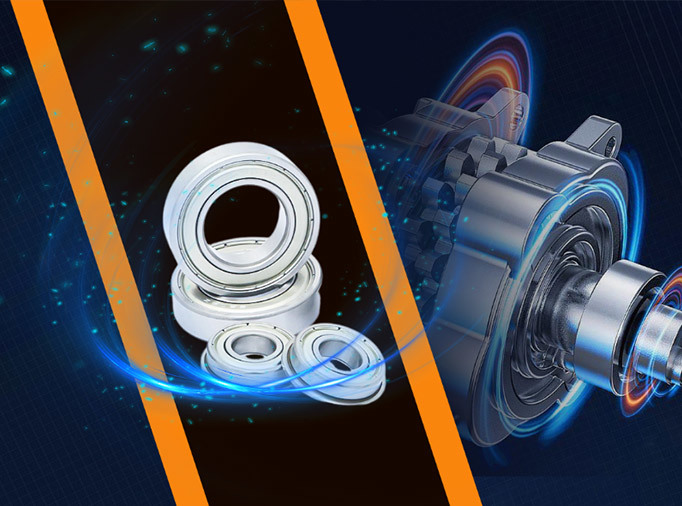
Ningbo Zhenhai Jinjinnaichi (NJJ) Bearing Co., Ltd. is a national high-tech enterprise specializing in the production of small-sized thin-wall low-noise deep-groove ball bearings.
-
Products
The company insists on relying on technological progress, adopting advanced technology and introducing advanced equipment, and is committed to the development and development of low noise bearings.
-

News
Now has more than 130 automatic production lines, equipped with a full set of advanced bearing testing equipment, has a full set of automatic assembly line, the use of automatic line in one step.
-

Contact
At present, the company selects the high-quality supplier resources in the industry, supporting the supply of bearing steel, steel ball, cage, dust cover and a series of raw materials


The Impact of Ball Bearing Design on Noise Levels in Industrial Machinery: Improving Efficiency and Reducing Noise Pollution
Time:
2023-08-04
Table of Contents:
1. Introduction: The Role of Ball Bearings in Industrial Machinery
2. Understanding Noise Levels in Industrial Settings
3. The Link Between Ball Bearing Design and Noise Generation
4. Factors Affecting Ball Bearing Noise Levels
5. Advances in Ball Bearing Technology for Noise Reduction
6. How Noise Reduction Improves Efficiency in Industrial Machinery
7. The Environmental Impact: Reducing Noise Pollution in the Workplace
8. Frequently Asked Questions (FAQs)
9. Conclusion
1. Introduction: The Role of Ball Bearings in Industrial Machinery
Ball bearings are essential components found in various industrial machinery, such as motors, pumps, compressors, and rotating equipment. These precision-engineered devices facilitate smooth and efficient movement by reducing friction between moving parts. In addition to their role in enhancing performance, ball bearings also influence noise levels in industrial settings.
2. Understanding Noise Levels in Industrial Settings
High noise levels in industrial environments can not only harm workers' health but also impact productivity and overall efficiency. Excessive noise can lead to hearing loss, stress, reduced concentration, and communication difficulties. It is crucial to address noise pollution and explore ways to minimize it.
3. The Link Between Ball Bearing Design and Noise Generation
The design of ball bearings plays a significant role in noise generation within industrial machinery. Factors such as bearing type, size, material, and lubrication affect noise levels. Understanding the impact of these design elements is essential for optimizing noise reduction strategies.
4. Factors Affecting Ball Bearing Noise Levels
4.1 Bearing Type: Different ball bearing types, such as deep groove ball bearings, angular contact bearings, and thrust bearings, exhibit varying noise characteristics. Each type has unique design features that influence noise generation.
4.2 Size and Geometry: The size and geometry of ball bearings affect noise levels. Smaller bearings tend to generate less noise due to reduced surface contact, while larger bearings may produce more noise.
4.3 Material Selection: The choice of materials for ball bearings significantly influences noise levels. Ceramic bearings, for example, offer lower noise generation compared to traditional steel bearings.
4.4 Lubrication: Proper lubrication is crucial for reducing friction and noise in ball bearings. The type and quality of lubricants used impact noise levels and overall performance.
5. Advances in Ball Bearing Technology for Noise Reduction
Manufacturers are continually developing innovative ball bearing solutions to minimize noise levels in industrial machinery. These advancements focus on improving bearing design, materials, and lubrication to achieve optimal noise reduction. Some notable advancements include:
5.1 Aerodynamic Design: Aerodynamically optimized ball bearings feature specialized grooves or pockets that enhance airflow and reduce turbulence, resulting in quieter operation.
5.2 Hybrid Ceramic Bearings: Hybrid ceramic bearings combine ceramic balls with steel races, offering reduced noise levels and enhanced durability compared to traditional steel bearings.
5.3 Noise-Reducing Coatings: Special coatings applied to ball bearings can reduce noise and vibration by enhancing surface smoothness and reducing friction.
5.4 Advanced Lubrication Technologies: Improved lubricants, such as synthetic oils and greases, provide better performance, reduced noise, and extended bearing life.
6. How Noise Reduction Improves Efficiency in Industrial Machinery
Reducing noise levels in industrial machinery not only benefits workers' well-being but also enhances operational efficiency. When noise is minimized, workers can concentrate better, communicate more effectively, and avoid distractions. This leads to increased productivity, improved accuracy, and fewer errors in critical operations.
Furthermore, noise reduction positively impacts the maintenance and lifetime of machinery. Excessive noise can cause additional stress on bearings and other components, potentially leading to premature failure. By implementing noise reduction strategies, the lifespan and reliability of industrial machinery can be prolonged, resulting in cost savings and reduced downtime.
7. The Environmental Impact: Reducing Noise Pollution in the Workplace
In addition to the human factor, noise pollution generated by industrial machinery can have adverse effects on the environment. High noise levels can disrupt wildlife habitats, interfere with communication among species, and contribute to overall noise pollution. By prioritizing noise reduction in industrial settings, companies can contribute to a cleaner and more sustainable environment.
8. Frequently Asked Questions (FAQs)
Q1: How can I determine if my machinery's noise levels are excessive?
Q2: Can ball bearing design alone significantly reduce noise levels in industrial machinery?
Q3: Are ceramic ball bearings more expensive than traditional steel bearings?
Q4: What lubrication methods are most effective for reducing noise in ball bearings?
Q5: Are noise-reducing ball bearings compatible with various types of industrial machinery?
9. Conclusion
Optimizing ball bearing design in industrial machinery is crucial for improving efficiency, reducing noise pollution, and enhancing overall performance. By considering factors such as bearing type, size, material, and lubrication, noise levels can be significantly minimized. The latest advancements in ball bearing technology offer innovative solutions for noise reduction, leading to a quieter and more productive work environment. Prioritizing noise reduction not only benefits workers' health and well-being but also contributes to a sustainable and environmentally friendly workplace.
Related recommend
Share
-
-
linkedin
-
VKontakte
-
YouTube
-
Twitter
-
TikTok
-
instagram
-
WhatsApp
-
E-mail

SERVICE HOTLINE
Add:No. 9, Fengshuidun Road, Luotuo Street, Zhenhai District, Ningbo City
Tel:0086-574-86583010
Fax:0086-574-86575268
Mob:+86 15869336060
E-mail:njjbearing@gmail.com
WhatsAPP:+008615869336060/+0086 15857406704
Copyright©2023 Ningbo Zhenhai JinjinnaichiBearing Co., Ltd. Powered by 300.cn SEO