

-

About Us
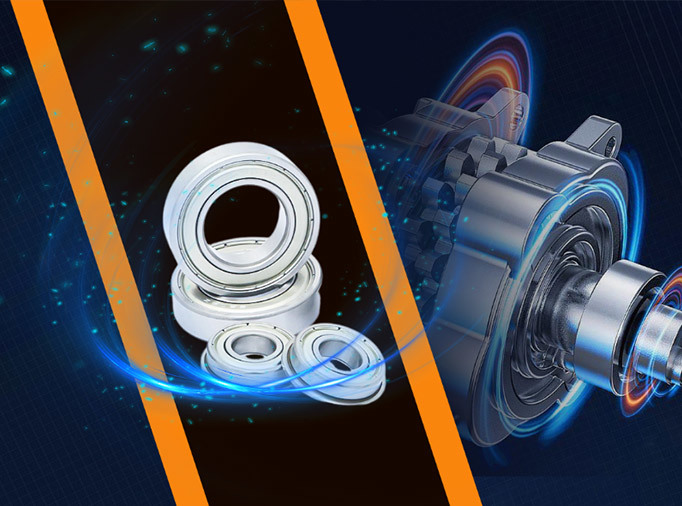
Ningbo Zhenhai Jinjinnaichi (NJJ) Bearing Co., Ltd. is a national high-tech enterprise specializing in the production of small-sized thin-wall low-noise deep-groove ball bearings.
-
Products
The company insists on relying on technological progress, adopting advanced technology and introducing advanced equipment, and is committed to the development and development of low noise bearings.
-

News
Now has more than 130 automatic production lines, equipped with a full set of advanced bearing testing equipment, has a full set of automatic assembly line, the use of automatic line in one step.
-

Contact
At present, the company selects the high-quality supplier resources in the industry, supporting the supply of bearing steel, steel ball, cage, dust cover and a series of raw materials


Choosing the Right Deep Groove Ball Bearing for Your Industrial Equipment.
Time:
2023-08-05
Table of Contents:
1. Understanding Deep Groove Ball Bearings
2. Importance of Choosing the Right Bearing for Your Industrial Equipment
3. Factors to Consider When Selecting Deep Groove Ball Bearings
3.1 Load Capacity and Radial Clearance
3.2 Speed and Temperature Ratings
3.3 Material and Lubrication
3.4 Noise and Vibration Levels
3.5 Seal Type and Contamination Resistance
3.6 Cost and Availability
3.7 Special Considerations for Specific Industries
4. FAQs (Frequently Asked Questions)
4.1 What is a deep groove ball bearing?
4.2 How do I determine the load capacity of a bearing?
4.3 Can I use a high-speed bearing for low-speed applications?
4.4 What lubrication options are available for deep groove ball bearings?
4.5 How can I reduce noise and vibrations in my equipment?
4.6 Are sealed bearings necessary for my application?
4.7 Are there any industry-specific requirements for ball bearings?
4.8 What are the cost considerations when selecting bearings?
5. Conclusion
1. Understanding Deep Groove Ball Bearings
Deep groove ball bearings are widely used in various industrial applications to support rotary motion and reduce friction. They consist of an inner ring, an outer ring, a cage, and a set of steel balls. These bearings are designed to handle both radial and axial loads, making them versatile for different equipment types.
2. Importance of Choosing the Right Bearing for Your Industrial Equipment
Selecting the appropriate deep groove ball bearing for your industrial equipment is crucial for its overall performance, reliability, and longevity. A wrong choice can lead to premature failure, increased downtime, and costly repairs. By understanding the key factors to consider, you can ensure optimal functionality and maximize the efficiency of your machinery.
3. Factors to Consider When Selecting Deep Groove Ball Bearings
3.1 Load Capacity and Radial Clearance
The load capacity of a bearing determines its ability to withstand the applied forces. It is essential to calculate the expected load and choose a bearing with a sufficient load rating. Radial clearance, on the other hand, affects the internal space between the rolling elements and the raceways. It impacts the bearing's ability to accommodate thermal expansion and misalignment.
3.2 Speed and Temperature Ratings
The speed rating of a bearing indicates the maximum rotational speed it can handle without excessive heat generation. Temperature ratings determine the operating temperature range that the bearing can withstand. Consider these ratings to ensure the bearing can handle the required speed and temperature conditions of your equipment.
3.3 Material and Lubrication
The material of the bearing influences its durability, corrosion resistance, and fatigue strength. Common materials include stainless steel, chrome steel, and ceramic. Additionally, proper lubrication is vital to reduce friction and wear. Choose the right lubricant based on the operating conditions and environmental factors.
3.4 Noise and Vibration Levels
Excessive noise and vibrations can indicate bearing issues and affect the overall performance of your equipment. Opt for bearings designed to minimize noise and vibration levels, especially in sensitive applications.
3.5 Seal Type and Contamination Resistance
Sealed bearings provide protection against dust, dirt, and moisture, increasing their lifespan and reducing the risk of failure. Depending on your application, select the appropriate seal type, such as rubber seals or metal shields, to prevent contaminants from entering the bearing.
3.6 Cost and Availability
Consider the cost of the bearing and its availability in the market. While cost is an important factor, prioritize quality and reliability over price to avoid frequent replacements and potential equipment damage.
3.7 Special Considerations for Specific Industries
Different industries may have specific requirements for deep groove ball bearings. For example, food processing equipment may require bearings that are corrosion-resistant and meet strict hygiene standards. Consider any industry-specific regulations or standards when selecting bearings for your equipment.
4. FAQs (Frequently Asked Questions)
4.1 What is a deep groove ball bearing?
A deep groove ball bearing is a type of rolling-element bearing that can handle both radial and axial loads. It consists of an inner ring, an outer ring, a cage, and a set of steel balls.
4.2 How do I determine the load capacity of a bearing?
The load capacity of a bearing is determined by its load rating, which is specified by the manufacturer. It is essential to calculate the expected load on the bearing and select a bearing with a load rating that exceeds the calculated value.
4.3 Can I use a high-speed bearing for low-speed applications?
While high-speed bearings can handle lower speeds, it is not always recommended. High-speed bearings are designed with specific features to withstand the demands of high rotational speeds. Using them for low-speed applications can lead to premature failure or inadequate lubrication.
4.4 What lubrication options are available for deep groove ball bearings?
Deep groove ball bearings can be lubricated with various options, including grease and oil. Grease is commonly used for its ability to retain lubrication and provide long-term protection. Oil lubrication is suitable for high-speed applications or when frequent re-lubrication is needed.
4.5 How can I reduce noise and vibrations in my equipment?
To reduce noise and vibrations, choose bearings with low noise and vibration levels. Additionally, proper installation, alignment, and maintenance can help minimize these issues. Applying suitable damping materials or using vibration isolation techniques can also be beneficial.
4.6 Are sealed bearings necessary for my application?
Sealed bearings are recommended for applications where contamination, dust, or moisture is a concern. They provide better protection and prolong the bearing's lifespan. Evaluate your equipment's operating conditions to determine if sealed bearings are necessary.
4.7 Are there any industry-specific requirements for ball bearings?
Yes, different industries may have specific requirements for bearings. For example, the food processing industry often requires bearings that are corrosion-resistant and meet specific hygiene standards. Consult industry guidelines and standards to ensure compliance.
4.8 What are the cost considerations when selecting bearings?
While cost is an important factor, it should not be the sole determining factor when selecting bearings. Consider the overall quality, reliability, and performance of the bearing. Choosing a cheaper option may result in frequent replacements or equipment failure, leading to higher costs in the long run.
5. Conclusion
Choosing the right deep groove ball bearing for your industrial equipment is crucial for optimal performance and efficiency. By considering factors such as load capacity, speed ratings, materials, lubrication, noise levels, seal types, and industry-specific requirements, you can ensure a reliable and long-lasting solution. Make informed decisions and consult with experts in the field to find the perfect match for your unique application needs.
Related recommend
Share
-
-
linkedin
-
VKontakte
-
YouTube
-
Twitter
-
TikTok
-
instagram
-
WhatsApp
-
E-mail

SERVICE HOTLINE
Add:No. 9, Fengshuidun Road, Luotuo Street, Zhenhai District, Ningbo City
Tel:0086-574-86583010
Fax:0086-574-86575268
Mob:+86 15869336060
E-mail:njjbearing@gmail.com
WhatsAPP:+008615869336060/+0086 15857406704
Copyright©2023 Ningbo Zhenhai JinjinnaichiBearing Co., Ltd. Powered by 300.cn SEO