

-

About Us
Ningbo Zhenhai Jinjinnaichi (NJJ) Bearing Co., Ltd. is a national high-tech enterprise specializing in the production of small-sized thin-wall low-noise deep-groove ball bearings.
-
Products
The company insists on relying on technological progress, adopting advanced technology and introducing advanced equipment, and is committed to the development and development of low noise bearings.
-

News
Now has more than 130 automatic production lines, equipped with a full set of advanced bearing testing equipment, has a full set of automatic assembly line, the use of automatic line in one step.
-

Contact
At present, the company selects the high-quality supplier resources in the industry, supporting the supply of bearing steel, steel ball, cage, dust cover and a series of raw materials


How Deep Groove Ball Bearings Improve the Performance of Industrial Components
Time:
2023-08-07
Table of Contents:
1. Introduction: Understanding the Role of Deep Groove Ball Bearings
2. How Deep Groove Ball Bearings Work
3. The Advantages of Deep Groove Ball Bearings
4. Applications of Deep Groove Ball Bearings in Industrial Components
5. Factors to Consider When Choosing Deep Groove Ball Bearings
6. Installation and Maintenance: Best Practices for Deep Groove Ball Bearings
7. Frequently Asked Questions (FAQs)
8. Conclusion
1. Introduction: Understanding the Role of Deep Groove Ball Bearings
Deep groove ball bearings play a crucial role in enhancing the performance of industrial components. These versatile mechanical devices enable smooth rotation, reduce friction, and ensure reliability in a wide range of applications. By understanding how deep groove ball bearings work and their various advantages, industries can optimize efficiency, improve productivity, and extend the lifespan of their equipment.
2. How Deep Groove Ball Bearings Work
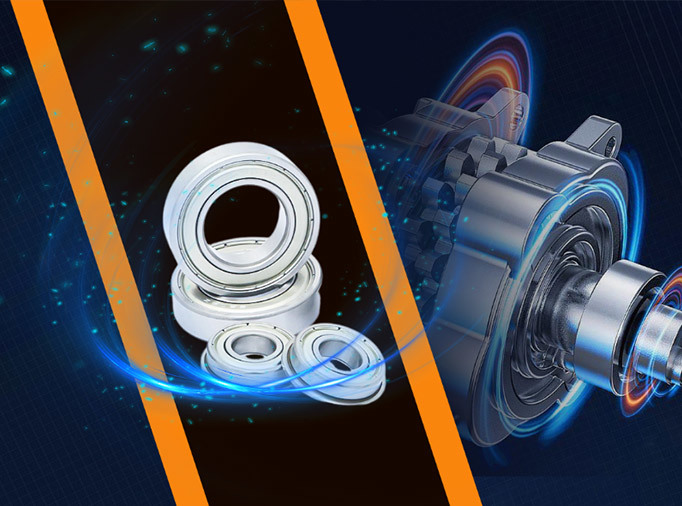
Deep groove ball bearings consist of an inner ring, an outer ring, a cage, and a set of steel balls. The rings hold the balls in place and facilitate their smooth movement. The deep groove design allows the bearings to accommodate both radial and axial loads, making them suitable for a variety of applications.
When a load is applied to the bearing, the balls distribute the force evenly, reducing friction and enabling smooth rotation. The deep groove also helps to maintain proper alignment, minimizing the risk of damage or premature wear. This design ensures that the bearings can withstand high speeds and provide reliable performance even under demanding conditions.
3. The Advantages of Deep Groove Ball Bearings
Deep groove ball bearings offer several advantages that contribute to their widespread use in industrial components:
- Versatility: Deep groove ball bearings are suitable for a wide range of applications, including electric motors, pumps, gearboxes, conveyors, and household appliances. Their versatility stems from their ability to handle both radial and axial loads, making them adaptable to various operating conditions.
- Low Friction: The smooth movement of deep groove ball bearings minimizes friction, reducing energy consumption and heat generation. This low friction characteristic translates to improved efficiency, enhanced performance, and reduced wear and tear on the components.
- High Speeds: Deep groove ball bearings are designed to withstand high rotational speeds without compromising their performance. The precision engineering of the bearings ensures stable and reliable operation, even at elevated speeds, enabling industries to achieve higher productivity levels.
- Reliability: Deep groove ball bearings are known for their durability and long service life. With proper maintenance and lubrication, these bearings can provide reliable performance for extended periods, reducing downtime and maintenance costs.
4. Applications of Deep Groove Ball Bearings in Industrial Components
Deep groove ball bearings find applications in a wide range of industrial components, including:
- Electric Motors: Deep groove ball bearings are widely used in electric motors, ensuring smooth and efficient operation. They help minimize friction, reduce noise, and maintain the integrity of the motor.
- Pumps: Deep groove ball bearings play a crucial role in pumps, providing reliable support for the rotating shaft and impeller. They enable the pump to generate sufficient pressure and flow, ensuring optimal performance.
- Gearboxes: Deep groove ball bearings are essential components in gearboxes, enabling the smooth transmission of power between gears. They help reduce friction, prevent gear misalignment, and ensure efficient power transfer.
- Conveyors: Deep groove ball bearings support the rotating pulleys and rollers in conveyors, facilitating the smooth movement of materials. They help minimize energy consumption, reduce noise, and enhance overall conveyor performance.
- Household Appliances: Deep groove ball bearings are found in various household appliances such as washing machines, refrigerators, and air conditioners. They enable smooth rotation of components, ensuring reliable and efficient operation.
5. Factors to Consider When Choosing Deep Groove Ball Bearings
When selecting deep groove ball bearings for industrial components, several factors should be considered:
- Load Capacity: Determine the maximum radial and axial loads the bearing will experience to ensure it can withstand the applied forces.
- Speed Rating: Consider the rotational speed requirements of the application and select bearings with appropriate speed ratings to avoid overheating or premature failure.
- Bearing Clearance: Choose the appropriate bearing clearance to accommodate thermal expansion and contraction, ensuring optimal performance.
- Lubrication: Proper lubrication is vital for the longevity and performance of deep groove ball bearings. Select the right lubricant and establish a maintenance routine to prevent premature wear or damage.
6. Installation and Maintenance: Best Practices for Deep Groove Ball Bearings
Proper installation and maintenance are essential for maximizing the performance and lifespan of deep groove ball bearings. Follow these best practices:
- Ensure proper alignment and fit during installation to prevent excess load or misalignment.
- Use appropriate tools and techniques to avoid damaging the bearings during installation.
- Regularly monitor and maintain the appropriate lubrication level to minimize friction and prevent premature wear.
- Inspect bearings for signs of damage, contamination, or abnormal noise, and promptly address any issues.
- Follow manufacturer guidelines for maintenance intervals and procedures to ensure optimal performance.
7. Frequently Asked Questions (FAQs)
Q1: What is the difference between deep groove ball bearings and other types of bearings?
Q2: How do deep groove ball bearings contribute to energy efficiency?
Q3: Can deep groove ball bearings handle both radial and axial loads?
Q4: What are the common failure modes of deep groove ball bearings?
Q5: How often should deep groove ball bearings be lubricated?
8. Conclusion
Deep groove ball bearings are essential components that significantly enhance the performance of industrial machinery and equipment. Their ability to reduce friction, handle high speeds, and ensure reliability makes them indispensable in various applications. By understanding the advantages and proper utilization of deep groove ball bearings, industries can optimize efficiency, minimize downtime, and achieve superior performance in their operations.
Related recommend
Share
-
-
linkedin
-
VKontakte
-
YouTube
-
Twitter
-
TikTok
-
instagram
-
WhatsApp
-
E-mail

SERVICE HOTLINE
Add:No. 9, Fengshuidun Road, Luotuo Street, Zhenhai District, Ningbo City
Tel:0086-574-86583010
Fax:0086-574-86575268
Mob:+86 15869336060
E-mail:njjbearing@gmail.com
WhatsAPP:+008615869336060/+0086 15857406704
Copyright©2023 Ningbo Zhenhai JinjinnaichiBearing Co., Ltd. Powered by 300.cn SEO