

-

About Us
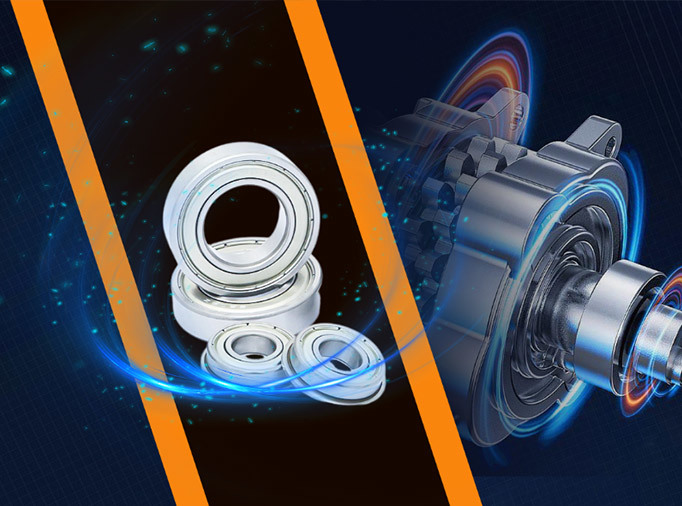
Ningbo Zhenhai Jinjinnaichi (NJJ) Bearing Co., Ltd. is a national high-tech enterprise specializing in the production of small-sized thin-wall low-noise deep-groove ball bearings.
-
Products
The company insists on relying on technological progress, adopting advanced technology and introducing advanced equipment, and is committed to the development and development of low noise bearings.
-

News
Now has more than 130 automatic production lines, equipped with a full set of advanced bearing testing equipment, has a full set of automatic assembly line, the use of automatic line in one step.
-

Contact
At present, the company selects the high-quality supplier resources in the industry, supporting the supply of bearing steel, steel ball, cage, dust cover and a series of raw materials


The Ultimate Guide to Roller Bearings: Everything You Need to Know
Time:
2023-08-13
Table of Contents
1. Introduction to Roller Bearings
2. The Function of Roller Bearings
3. Types of Roller Bearings
4. Common Applications of Roller Bearings
5. Advantages of Roller Bearings
6. Factors to Consider when Choosing Roller Bearings
7. Installation and Maintenance of Roller Bearings
8. Frequently Asked Questions
1. Introduction to Roller Bearings
Roller bearings are mechanical components designed to reduce friction between moving parts. They consist of cylindrical or tapered rollers, which distribute the load evenly over a larger surface area. This reduces friction and allows for smooth rotation, making roller bearings essential in numerous industries such as automotive, aerospace, and manufacturing.
2. The Function of Roller Bearings
The primary function of roller bearings is to support radial and axial loads in rotating machinery. By minimizing friction and enabling smooth motion, roller bearings ensure efficient operation and prolong the lifespan of equipment. They enable rotational movements in various applications, from vehicle wheels and conveyor systems to industrial machinery and power transmission.
3. Types of Roller Bearings
There are several types of roller bearings, each designed for specific applications. Some common types include:
- Cylindrical Roller Bearings: These bearings have high radial load capacity and are suitable for heavy-duty applications.
- Tapered Roller Bearings: Ideal for handling both radial and axial loads, tapered roller bearings are commonly used in automotive wheel hubs and gearboxes.
- Spherical Roller Bearings: With the ability to accommodate misalignment and heavy loads, spherical roller bearings are widely used in applications with oscillating or misaligned shafts.
- Needle Roller Bearings: Featuring long and thin rollers, needle roller bearings are suited for applications with limited space and high load requirements.
- Thrust Roller Bearings: Designed for applications with axial loads, thrust roller bearings can handle heavy thrust loads and provide high axial rigidity.
4. Common Applications of Roller Bearings
Roller bearings find extensive use in various industries due to their versatility and load-carrying capabilities. Some common applications include:
- Automotive: Roller bearings are vital components in vehicle engines, transmissions, wheel hubs, and differentials.
- Industrial Machinery: They are widely used in industrial machinery such as conveyor systems, printing presses, and machine tools.
- Aerospace: Roller bearings are essential for aircraft engines, landing gears, and control systems, ensuring reliable and smooth operation.
- Power Generation: They play a crucial role in turbines, generators, and wind energy systems, supporting rotational movements.
- Construction Equipment: Roller bearings are used in heavy machinery like excavators, cranes, and bulldozers, enabling smooth movement and load handling.
5. Advantages of Roller Bearings
Roller bearings offer numerous advantages over other bearing types, making them a preferred choice in various applications. Some key advantages include:
- High Load Capacity: Roller bearings can handle heavy loads due to their larger contact area and improved load distribution.
- Reduced Friction: The rolling motion of the cylindrical or tapered rollers results in lower friction compared to sliding bearings.
- Durability and Longevity: Roller bearings are designed to withstand high loads and operating conditions, ensuring extended service life.
- Versatility: With various types available, roller bearings can accommodate different load types and provide solutions for diverse applications.
- Minimal Maintenance: Properly installed and lubricated roller bearings require minimal maintenance, reducing downtime and costs.
6. Factors to Consider when Choosing Roller Bearings
When selecting roller bearings for a specific application, certain factors should be considered:
- Load Requirements: Determine the magnitude and type of load the bearing needs to support, considering both radial and axial loads.
- Speed and Temperature: Consider the rotational speed and operating temperature range to ensure the bearing can withstand the conditions.
- Precision and Tolerance: Determine the required level of precision and tolerance for the application, ensuring the bearing meets the necessary specifications.
- Lubrication: Proper lubrication is crucial for optimal bearing performance. Select the appropriate lubricant based on operating conditions and maintenance requirements.
- Installation and Fit: Ensure proper installation and fit to prevent premature bearing failure and ensure efficient operation.
7. Installation and Maintenance of Roller Bearings
Proper installation and maintenance are essential for maximizing the performance and lifespan of roller bearings. Follow these guidelines:
- Clean and inspect the bearing and surrounding components before installation.
- Ensure the bearing and shaft are aligned correctly to avoid excessive loads and premature wear.
- Use the recommended lubricant and follow the manufacturer's guidelines for lubrication intervals.
- Regularly monitor bearing conditions, including temperature, noise, and vibration.
- Replace bearings promptly if any signs of damage or wear are detected.
8. Frequently Asked Questions
Q1: What are the main differences between roller bearings and ball bearings?
Q2: How do roller bearings reduce friction compared to sliding bearings?
Q3: Can roller bearings handle both radial and axial loads simultaneously?
Q4: How often should roller bearings be lubricated?
Q5: What are the common signs of roller bearing failure?
Conclusion
In conclusion, roller bearings are vital components in various industries, providing smooth motion, load support, and durability. Understanding the different types, applications, and advantages of roller bearings enables informed decision-making when selecting the right bearings for specific requirements. By considering factors such as load, speed, and lubrication, along with proper installation and maintenance practices, roller bearings can deliver optimal performance and contribute to the efficiency and reliability of machinery and equipment.
Related recommend
Share
-
-
linkedin
-
VKontakte
-
YouTube
-
Twitter
-
TikTok
-
instagram
-
WhatsApp
-
E-mail

SERVICE HOTLINE
Add:No. 9, Fengshuidun Road, Luotuo Street, Zhenhai District, Ningbo City
Tel:0086-574-86583010
Fax:0086-574-86575268
Mob:+86 15869336060
E-mail:njjbearing@gmail.com
WhatsAPP:+008615869336060/+0086 15857406704
Copyright©2023 Ningbo Zhenhai JinjinnaichiBearing Co., Ltd. Powered by 300.cn SEO