

-

About Us
Ningbo Zhenhai Jinjinnaichi (NJJ) Bearing Co., Ltd. is a national high-tech enterprise specializing in the production of small-sized thin-wall low-noise deep-groove ball bearings.
-
Products
The company insists on relying on technological progress, adopting advanced technology and introducing advanced equipment, and is committed to the development and development of low noise bearings.
-

News
Now has more than 130 automatic production lines, equipped with a full set of advanced bearing testing equipment, has a full set of automatic assembly line, the use of automatic line in one step.
-

Contact
At present, the company selects the high-quality supplier resources in the industry, supporting the supply of bearing steel, steel ball, cage, dust cover and a series of raw materials


Miniature Bearing: The Key Component for Industrial Equipment
Time:
2023-09-21
Introduction:
In the realm of industrial equipment and components, bearings play an indispensable role, ensuring the smooth operation of machinery and reducing friction between moving parts. Among the various types of bearings available, miniature bearings hold significant importance. In this article, we delve into the world of miniature bearings, exploring their relevance and applications within the industrial equipment sector.
1. Understanding Miniature Bearings:
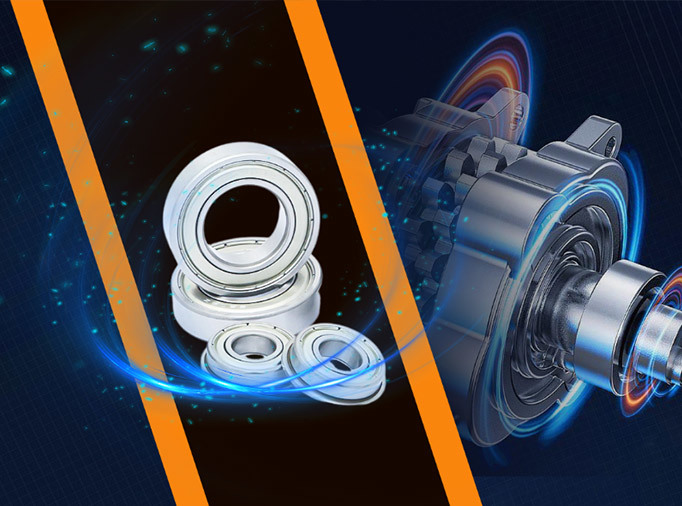
Miniature bearings, as the name suggests, are compact-sized bearings with an outer diameter ranging from 1mm to 30mm. These bearings are engineered to deliver high performance in limited space applications, where conventional bearings may not fit. Their small size and precise construction enable them to handle radial and axial loads effectively.
2. Versatility in Industrial Equipment:
Miniature bearings find extensive usage in a wide array of industrial equipment and components. From electric motors, robotics, medical devices, to precision instruments, miniature bearings are tailored to cater to diverse requirements. Their ability to operate with low noise and high rotational speeds makes them ideal for applications demanding precision and efficiency.
3. Types of Miniature Bearings:
a. Deep Groove Ball Bearings: This type of miniature bearing is the most common and versatile. It can accommodate radial and axial loads in both directions and is suitable for high-speed operations.
b. Angular Contact Ball Bearings: With their ability to handle combined radial and axial loads, angular contact miniature bearings are commonly employed in applications requiring support for both radial and axial forces.
c. Flanged Bearings: Flanged miniature bearings come with an additional flange, facilitating easy installation and positioning within the equipment. These bearings are commonly utilized in small electrical motors and appliances.
d. Thrust Bearings: Miniature thrust bearings are designed to handle axial loads in a single direction and are commonly utilized in applications such as automotive transmissions and power tools.
4. Factors Influencing Miniature Bearing Performance:
a. Material Selection: Miniature bearings are available in various materials, including stainless steel, chrome steel, and ceramic. The choice of material depends on factors like load capacity, corrosion resistance, and operating conditions.
b. Lubrication: Proper lubrication is vital for the smooth operation and longevity of miniature bearings. Factors such as speed, temperature, and load determine the lubricant selection.
c. Sealing: Sealed miniature bearings offer enhanced protection against contaminants, ensuring prolonged service life and reduced maintenance requirements.
Conclusion:
Miniature bearings serve as crucial components within the industrial equipment sector, enabling the smooth and efficient operation of various systems. Their compact size, versatility, and ability to handle high speeds make them an indispensable element in applications demanding precision and reliability. As industrial equipment continues to advance, the significance of miniature bearings in optimizing performance and reducing downtime remains unparalleled.
Related recommend
Share
-
-
linkedin
-
VKontakte
-
YouTube
-
Twitter
-
TikTok
-
instagram
-
WhatsApp
-
E-mail

SERVICE HOTLINE
Add:No. 9, Fengshuidun Road, Luotuo Street, Zhenhai District, Ningbo City
Tel:0086-574-86583010
Fax:0086-574-86575268
Mob:+86 15869336060
E-mail:njjbearing@gmail.com
WhatsAPP:+008615869336060/+0086 15857406704
Copyright©2023 Ningbo Zhenhai JinjinnaichiBearing Co., Ltd. Powered by 300.cn SEO