

-

About Us
Ningbo Zhenhai Jinjinnaichi (NJJ) Bearing Co., Ltd. is a national high-tech enterprise specializing in the production of small-sized thin-wall low-noise deep-groove ball bearings.
-
Products
The company insists on relying on technological progress, adopting advanced technology and introducing advanced equipment, and is committed to the development and development of low noise bearings.
-

News
Now has more than 130 automatic production lines, equipped with a full set of advanced bearing testing equipment, has a full set of automatic assembly line, the use of automatic line in one step.
-

Contact
At present, the company selects the high-quality supplier resources in the industry, supporting the supply of bearing steel, steel ball, cage, dust cover and a series of raw materials


Understanding Precision Ball Bearings
Time:
2023-06-28
Precision ball bearings are essential components in various industries, including automotive, aerospace, and manufacturing. These bearings play a crucial role in providing smooth and reliable rotational motion. In this article, we will explore the concept of precision ball bearings, their construction, and their applications.
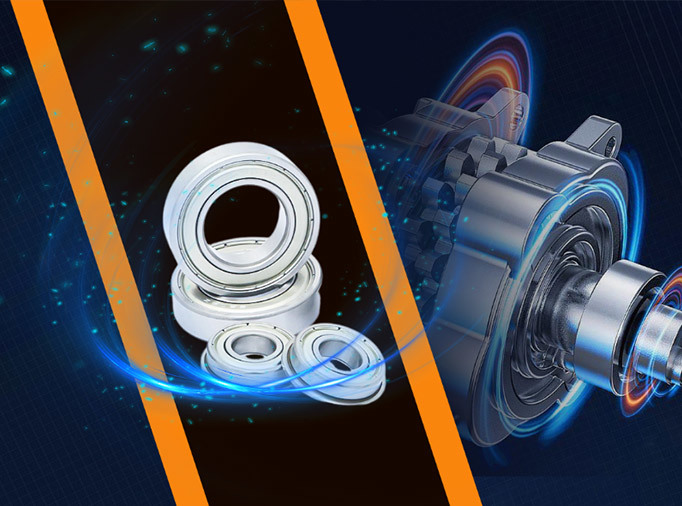
Precision ball bearings are designed to minimize friction and support high radial and axial loads. They consist of an outer ring, an inner ring, a set of balls, and a cage that holds the balls in place. The balls, typically made of steel or ceramic, ensure smooth rolling motion between the inner and outer rings.

The precision of these ball bearings is achieved through tight manufacturing tolerances and high-quality materials. The balls and rings are precisely machined and ground to ensure optimal roundness and smooth contact surfaces. This precision allows the bearings to handle high rotational speeds and provide accurate positioning in machines and equipment.
The applications of precision ball bearings are numerous. In the automotive industry, they are used in engines, steering systems, and transmissions to provide reliable and efficient performance. In aerospace, these bearings are vital for aircraft engines, landing gear, and control systems. In the manufacturing sector, precision ball bearings are used in machine tools, robotics, and conveyor systems.
To maintain the performance and longevity of precision ball bearings, regular maintenance is essential. Proper lubrication is crucial to reduce friction and prevent premature wear. Additionally, periodic inspections should be conducted to check for any signs of damage or misalignment. If any issues are detected, immediate action should be taken to avoid further damage or machine downtime.
In conclusion, precision ball bearings are critical components that ensure smooth and efficient rotational motion in various industries. Their precise construction and high-quality materials make them reliable and durable. Regular maintenance and inspections are necessary to ensure their optimal performance and longevity.
Previous article
Previous article
Related recommend
Share
-
-
linkedin
-
VKontakte
-
YouTube
-
Twitter
-
TikTok
-
instagram
-
WhatsApp
-
E-mail

SERVICE HOTLINE
Add:No. 9, Fengshuidun Road, Luotuo Street, Zhenhai District, Ningbo City
Tel:0086-574-86583010
Fax:0086-574-86575268
Mob:+86 15869336060
E-mail:njjbearing@gmail.com
WhatsAPP:+008615869336060/+0086 15857406704
Copyright©2023 Ningbo Zhenhai JinjinnaichiBearing Co., Ltd. Powered by 300.cn SEO