

-

About Us
Ningbo Zhenhai Jinjinnaichi (NJJ) Bearing Co., Ltd. is a national high-tech enterprise specializing in the production of small-sized thin-wall low-noise deep-groove ball bearings.
-
Products
The company insists on relying on technological progress, adopting advanced technology and introducing advanced equipment, and is committed to the development and development of low noise bearings.
-

News
Now has more than 130 automatic production lines, equipped with a full set of advanced bearing testing equipment, has a full set of automatic assembly line, the use of automatic line in one step.
-

Contact
At present, the company selects the high-quality supplier resources in the industry, supporting the supply of bearing steel, steel ball, cage, dust cover and a series of raw materials


Miniature Bearings: A Guide to Industrial Equipment Components
Time:
2024-02-08
Introduction:
Miniature bearings are a crucial element in the realm of industrial equipment and components, specifically in the field of bearings. Understanding their significance, applications, and functionality is crucial for professionals engaged in this industry. In this article, we explore the world of miniature bearings, providing you with essential knowledge to enhance your understanding of these components.
1. The Basics of Miniature Bearings:
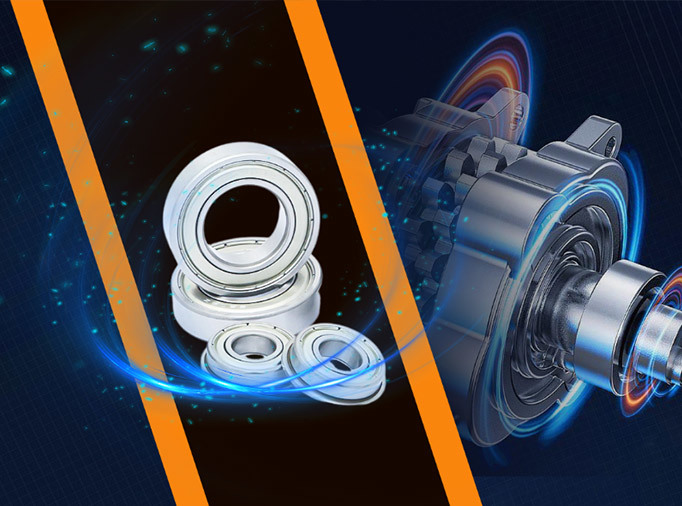
Miniature bearings, also referred to as instrument bearings or micro bearings, are characterized by their small size and lightweight construction. These bearings typically possess an inner diameter of less than 20mm, making them perfect for applications where limited space is a concern. Despite their compact dimensions, their performance and durability are not compromised.
2. Key Features and Construction:
Miniature bearings are typically constructed with stainless steel, chrome steel, or ceramic materials, ensuring high strength and resistance to corrosion. They consist of various components such as an outer ring, inner ring, balls or rollers, a cage, and shields or seals. These components work together to provide smooth rotation, reduced friction, and efficient load handling capacity.
3. Applications of Miniature Bearings:
Miniature bearings find extensive usage in a wide range of industries, including robotics, medical devices, dental equipment, aerospace technology, and precision instruments. These bearings are essential for applications where precise positioning, low friction, and high-speed performance are required. From miniature motors to gyroscopes, miniature bearings play a vital role in ensuring smooth operation and longevity.
4. Factors to Consider for Miniature Bearing Selection:
When choosing miniature bearings for specific applications, several factors need to be taken into account. These include load capacity, rotational speed, temperature resistance, noise level, and lubrication requirements. Understanding these factors enables professionals to select the most suitable miniature bearings for their equipment and improve overall performance.
5. Installation and Maintenance:
Proper installation and maintenance are crucial for maximizing the lifespan and performance of miniature bearings. Careful handling, correct mounting techniques, and regular lubrication are essential to prevent premature wear and ensure optimal functioning. Following manufacturer guidelines and industry best practices is highly recommended.
Conclusion:
As a professional engaged in the industrial equipment and components sector, having a comprehensive understanding of miniature bearings is vital. This article has provided you with valuable insights into the basics, construction, applications, selection factors, and maintenance of these important components. Incorporating this knowledge into your work can significantly enhance the efficiency and reliability of your equipment. Remember, the world of miniature bearings is vast, and continuous learning is the key to staying at the forefront of this dynamic industry.
Related recommend
Share
-
-
linkedin
-
VKontakte
-
YouTube
-
Twitter
-
TikTok
-
instagram
-
WhatsApp
-
E-mail

SERVICE HOTLINE
Add:No. 9, Fengshuidun Road, Luotuo Street, Zhenhai District, Ningbo City
Tel:0086-574-86583010
Fax:0086-574-86575268
Mob:+86 15869336060
E-mail:njjbearing@gmail.com
WhatsAPP:+008615869336060/+0086 15857406704
Copyright©2023 Ningbo Zhenhai JinjinnaichiBearing Co., Ltd. Powered by 300.cn SEO