

-

About Us
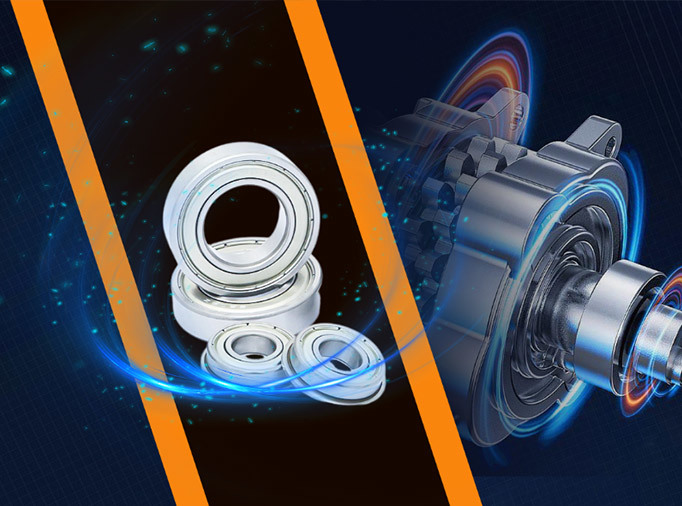
Ningbo Zhenhai Jinjinnaichi (NJJ) Bearing Co., Ltd. is a national high-tech enterprise specializing in the production of small-sized thin-wall low-noise deep-groove ball bearings.
-
Products
The company insists on relying on technological progress, adopting advanced technology and introducing advanced equipment, and is committed to the development and development of low noise bearings.
-

News
Now has more than 130 automatic production lines, equipped with a full set of advanced bearing testing equipment, has a full set of automatic assembly line, the use of automatic line in one step.
-

Contact
At present, the company selects the high-quality supplier resources in the industry, supporting the supply of bearing steel, steel ball, cage, dust cover and a series of raw materials


Understanding the Importance of Miniature Bearings in Industrial Components
Time:
2024-02-06
1. Introduction: The Significance of Miniature Bearings in Industrial Components
Industrial components rely on various types of bearings for smooth operation, and miniature bearings play a crucial role in this regard. These small-sized bearings are designed to withstand high speeds and loads while providing precision and stability to the machinery. Understanding the importance of miniature bearings in industrial components can enhance the efficiency and reliability of equipment, leading to improved productivity and reduced downtime.
2. The Functionality of Miniature Bearings in Industrial Components
Miniature bearings are engineered to reduce friction between moving parts, allowing them to rotate smoothly. By providing support and reducing wear and tear, these bearings ensure the longevity of industrial components. Their compact size makes them suitable for use in applications with limited space, without compromising on performance. Miniature bearings often feature advanced sealing mechanisms to prevent contaminants from entering and damaging the components.
3. Applications of Miniature Bearings in Industrial Components
Miniature bearings find application in a wide range of industrial components across various sectors. They are commonly used in precision instruments such as medical equipment, robotics, aerospace technology, and optical devices. These bearings are also essential in machinery used in manufacturing processes, including conveyor systems, printing presses, electric motors, and power tools. Additionally, miniature bearings are integral to automotive components, including engine parts, transmissions, and steering systems.
4. Benefits of Miniature Bearings in Industrial Components
4.1 Enhanced Precision: Miniature bearings offer high precision, ensuring accurate movements and positioning within industrial components. This precision is crucial in applications that require delicate handling or precise measurements.
4.2 Reduced Friction: By minimizing friction, miniature bearings reduce energy consumption and heat generation, resulting in improved efficiency and extended lifespan of industrial components. This characteristic is particularly important for high-speed applications.
4.3 Space Optimization: The compact size of miniature bearings allows for space-saving designs, enabling the integration of bearings into components with limited room. This versatility enhances the overall efficiency of equipment.
4.4 Durability and Reliability: Miniature bearings are engineered to withstand demanding operating conditions, including high temperatures, heavy loads, and rapid speeds. Their robust construction ensures long-lasting performance and reliability.
5. Factors to Consider When Choosing Miniature Bearings for Industrial Components
When selecting miniature bearings for industrial components, several factors should be considered:
5.1 Load Capacity: Assess the expected load requirements of the application to ensure the chosen bearings can handle the specific loads without premature wear or failure.
5.2 Speed Capability: Consider the rotational speed requirements of the machinery to ensure the miniature bearings can maintain smooth operation under the desired speed range.
5.3 Temperature Resistance: Evaluate the operating environment and select miniature bearings that can withstand the temperature extremes without compromising performance or lubrication.
5.4 Lubrication Needs: Determine the lubrication requirements of the application and choose miniature bearings that can effectively retain lubricants or operate under specific lubrication conditions.
5.5 Sealing Efficiency: Depending on the application's exposure to contaminants, select miniature bearings with appropriate sealing mechanisms to prevent ingress of dirt, moisture, or other harmful substances.
6. Frequently Asked Questions (FAQs) about Miniature Bearings in Industrial Components
Q1: What are the key differences between miniature bearings and standard-sized bearings?
Q2: Can miniature bearings handle heavy loads like their larger counterparts?
Q3: Are miniature bearings suitable for high-speed applications?
Q4: How can I ensure proper lubrication of miniature bearings in industrial components?
Q5: What are the common materials used in manufacturing miniature bearings?
7. Conclusion
In conclusion, miniature bearings play a vital role in the smooth operation of industrial components. Their compact size, durability, precision, and versatility make them indispensable in a wide range of applications. By understanding the importance of miniature bearings, industrial professionals can make informed decisions when selecting these components, leading to enhanced performance, reliability, and productivity in their equipment and machinery. Invest in high-quality miniature bearings to optimize the functionality of your industrial components and stay ahead in today's competitive market.
Related recommend
Share
-
-
linkedin
-
VKontakte
-
YouTube
-
Twitter
-
TikTok
-
instagram
-
WhatsApp
-
E-mail

SERVICE HOTLINE
Add:No. 9, Fengshuidun Road, Luotuo Street, Zhenhai District, Ningbo City
Tel:0086-574-86583010
Fax:0086-574-86575268
Mob:+86 15869336060
E-mail:njjbearing@gmail.com
WhatsAPP:+008615869336060/+0086 15857406704
Copyright©2023 Ningbo Zhenhai JinjinnaichiBearing Co., Ltd. Powered by 300.cn SEO