

-

About Us
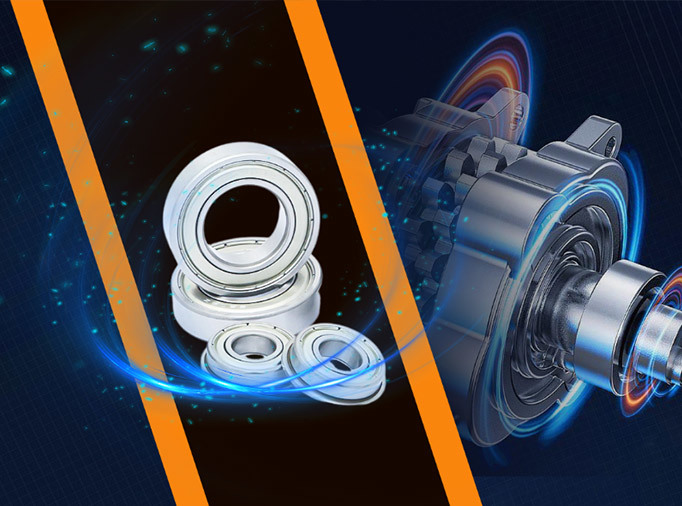
Ningbo Zhenhai Jinjinnaichi (NJJ) Bearing Co., Ltd. is a national high-tech enterprise specializing in the production of small-sized thin-wall low-noise deep-groove ball bearings.
-
Products
The company insists on relying on technological progress, adopting advanced technology and introducing advanced equipment, and is committed to the development and development of low noise bearings.
-

News
Now has more than 130 automatic production lines, equipped with a full set of advanced bearing testing equipment, has a full set of automatic assembly line, the use of automatic line in one step.
-

Contact
At present, the company selects the high-quality supplier resources in the industry, supporting the supply of bearing steel, steel ball, cage, dust cover and a series of raw materials


Exploring Different Types of Top Ball Bearings for Industrial Machinery
Time:
2024-01-13
1. Introduction: The Importance of Ball Bearings in Industrial Machinery
2. Deep Groove Ball Bearings: Versatile and Durable
3. Angular Contact Ball Bearings: Handling High Radial and Axial Loads
4. Self-Aligning Ball Bearings: Ideal for Misalignment Compensation
5. Thrust Ball Bearings: Handling Thrust Loads with Precision
6. Ceramic Ball Bearings: Enhancing Performance and Lifespan
7. Stainless Steel Ball Bearings: Corrosion Resistance for Harsh Environments
8. Miniature Ball Bearings: Precision in Compact Designs
9. FAQs about Ball Bearings for Industrial Machinery
9.1 What are the main advantages of ball bearings in industrial machinery?
9.2 How do I choose the right ball bearing for my industrial equipment?
9.3 Are ball bearings suitable for high-speed applications?
9.4 Can ball bearings withstand heavy loads?
9.5 What maintenance is required for ball bearings?
10. Conclusion: Optimize Your Industrial Machinery with the Right Ball Bearings
1. Introduction: The Importance of Ball Bearings in Industrial Machinery
Ball bearings play a crucial role in industrial machinery, enabling smooth and precise rotational movements. They reduce friction between components, withstand heavy loads, and enhance overall equipment performance. In this article, we will explore different types of top ball bearings used in industrial machinery.
2. Deep Groove Ball Bearings: Versatile and Durable
Deep groove ball bearings are the most common type of ball bearings. With their simple design and versatility, they can handle both radial and axial loads. These bearings have deep raceway grooves in the inner and outer rings, allowing them to accommodate high speeds and operate with low noise levels.
3. Angular Contact Ball Bearings: Handling High Radial and Axial Loads
Angular contact ball bearings are designed to handle both radial and axial loads simultaneously. The inner and outer rings are offset, creating a contact angle that enhances load-bearing capacity. These bearings are commonly used in applications requiring high precision and rigidity, such as machine tools and robotics.
4. Self-Aligning Ball Bearings: Ideal for Misalignment Compensation
Self-aligning ball bearings are designed to accommodate misalignment between the shaft and housing. They have two rows of balls and a spherical outer ring, allowing them to self-align. This feature makes them suitable for applications with shaft deflections or misalignments, reducing the risk of premature bearing failure.
5. Thrust Ball Bearings: Handling Thrust Loads with Precision
Thrust ball bearings are specifically designed to handle axial loads in a single direction. They consist of two washers and a set of ball bearings positioned between them. These bearings are commonly used in applications such as automotive transmissions and machine tools.
6. Ceramic Ball Bearings: Enhancing Performance and Lifespan
Ceramic ball bearings offer numerous advantages over traditional steel bearings. The ceramic balls, typically made of silicon nitride, are lighter, harder, and more resistant to heat and corrosion. These bearings are ideal for high-speed applications, where reduced friction and increased durability are crucial.
7. Stainless Steel Ball Bearings: Corrosion Resistance for Harsh Environments
Stainless steel ball bearings are specifically designed to resist corrosion in harsh environments. The stainless steel material ensures excellent resistance to moisture, chemicals, and high temperatures. These bearings are often used in industries such as food processing, chemical, and marine.
8. Miniature Ball Bearings: Precision in Compact Designs
Miniature ball bearings are characterized by their small size and high precision. They are commonly used in applications with limited space and low weight requirements, such as medical devices, miniature motors, and precision instruments. Despite their compact size, these bearings offer excellent durability and performance.
9. FAQs about Ball Bearings for Industrial Machinery
9.1 What are the main advantages of ball bearings in industrial machinery?
Ball bearings reduce friction, increase equipment efficiency, improve precision, and enhance overall performance.
9.2 How do I choose the right ball bearing for my industrial equipment?
Consider factors such as load type and magnitude, speed requirements, operating conditions, and desired bearing lifespan.
9.3 Are ball bearings suitable for high-speed applications?
Yes, certain types of ball bearings, such as angular contact and ceramic ball bearings, are specifically designed for high-speed applications.
9.4 Can ball bearings withstand heavy loads?
Yes, depending on the type and size, ball bearings can handle various loads, including heavy radial and axial loads.
9.5 What maintenance is required for ball bearings?
Proper lubrication, regular inspections, and timely replacements are key to maintaining ball bearings' optimal performance and lifespan.
10. Conclusion: Optimize Your Industrial Machinery with the Right Ball Bearings
Choosing the right ball bearings for your industrial machinery is essential for smooth operation, increased efficiency, and extended equipment lifespan. By understanding the different types of ball bearings available and their specific applications, you can make informed decisions that optimize your machinery's performance. Invest in high-quality ball bearings and ensure proper maintenance to keep your industrial equipment running at its best.
Related recommend
Share
-
-
linkedin
-
VKontakte
-
YouTube
-
Twitter
-
TikTok
-
instagram
-
WhatsApp
-
E-mail

SERVICE HOTLINE
Add:No. 9, Fengshuidun Road, Luotuo Street, Zhenhai District, Ningbo City
Tel:0086-574-86583010
Fax:0086-574-86575268
Mob:+86 15869336060
E-mail:njjbearing@gmail.com
WhatsAPP:+008615869336060/+0086 15857406704
Copyright©2023 Ningbo Zhenhai JinjinnaichiBearing Co., Ltd. Powered by 300.cn SEO