

-

About Us
Ningbo Zhenhai Jinjinnaichi (NJJ) Bearing Co., Ltd. is a national high-tech enterprise specializing in the production of small-sized thin-wall low-noise deep-groove ball bearings.
-
Products
The company insists on relying on technological progress, adopting advanced technology and introducing advanced equipment, and is committed to the development and development of low noise bearings.
-

News
Now has more than 130 automatic production lines, equipped with a full set of advanced bearing testing equipment, has a full set of automatic assembly line, the use of automatic line in one step.
-

Contact
At present, the company selects the high-quality supplier resources in the industry, supporting the supply of bearing steel, steel ball, cage, dust cover and a series of raw materials


Understanding Top Ball Bearings: A Guide to Industrial Equipment and Components
Time:
2024-01-15
In the realm of industrial equipment and components, one crucial element that ensures smooth functionality and efficient operations is the top ball bearing. This article delves into the world of top ball bearings, providing insights into their features, applications, and importance in various industries.
1. What are Top Ball Bearings?
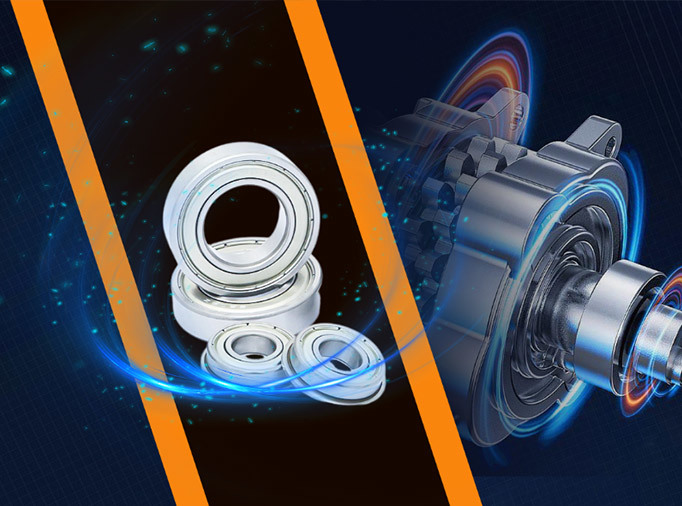
Top ball bearings, also known as rolling bearings, are mechanical components designed to reduce friction and support rotational or linear motion between two parts. They comprise an outer ring, an inner ring, a cage to separate the balls, and the rolling balls themselves. The balls allow for smooth movement and transfer of loads, making them vital in many industrial applications.
2. Features and Benefits of Top Ball Bearings:
- Low Friction: Top ball bearings are designed to minimize friction, allowing for smoother movement and reduced energy consumption.
- Load Capacity: These bearings can withstand both radial and axial loads, making them suitable for various applications with different load requirements.
- Durability: Top ball bearings are built to withstand heavy-duty conditions, ensuring long-lasting performance even in challenging environments.
- Precision: They offer high precision and accuracy, enabling precise positioning and smooth operation of machinery.
- Space Efficiency: Top ball bearings have a compact design, making them ideal for applications with limited space.
3. Applications of Top Ball Bearings:
- Automotive Industry: Top ball bearings find extensive usage in automotive applications, such as wheel hubs, gearboxes, and engines, ensuring smooth rotation and reduced friction.
- Machinery and Equipment: From industrial machinery like conveyors, pumps, and motors to household appliances like washing machines and fans, top ball bearings enhance the efficiency and longevity of various equipment.
- Aerospace and Aviation: These bearings are vital in aircraft components, including landing gear, engines, and control systems, ensuring smooth and reliable performance at high speeds.
- Robotics and Automation: Top ball bearings are widely used in robotic systems, providing precision and smooth motion control in robotic arms, joints, and linear actuators.
4. Maintenance and Troubleshooting:
To ensure optimal performance and longevity, proper maintenance of top ball bearings is essential. Regular lubrication, inspection for wear or damage, and adherence to manufacturer guidelines are key. If any issues arise, such as abnormal noise, vibration, or decreased performance, it is crucial to consult a professional for troubleshooting and potential replacement.
Conclusion:
In the world of industrial equipment and components, top ball bearings play a vital role in ensuring smooth rotational and linear motion, reducing friction, and enhancing overall efficiency. Understanding their features, applications, and maintenance requirements is crucial for professionals in the industry. By harnessing the power of top ball bearings, various sectors can achieve higher productivity, improved performance, and extended equipment lifespan.
Related recommend
Share
-
-
linkedin
-
VKontakte
-
YouTube
-
Twitter
-
TikTok
-
instagram
-
WhatsApp
-
E-mail

SERVICE HOTLINE
Add:No. 9, Fengshuidun Road, Luotuo Street, Zhenhai District, Ningbo City
Tel:0086-574-86583010
Fax:0086-574-86575268
Mob:+86 15869336060
E-mail:njjbearing@gmail.com
WhatsAPP:+008615869336060/+0086 15857406704
Copyright©2023 Ningbo Zhenhai JinjinnaichiBearing Co., Ltd. Powered by 300.cn SEO