

-

About Us
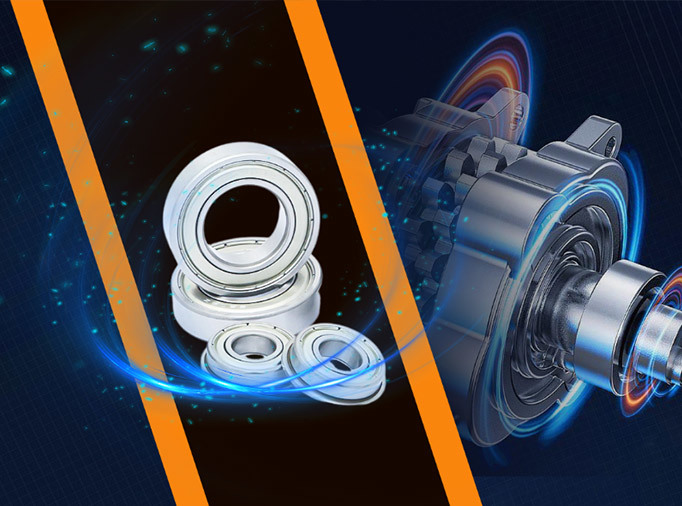
Ningbo Zhenhai Jinjinnaichi (NJJ) Bearing Co., Ltd. is a national high-tech enterprise specializing in the production of small-sized thin-wall low-noise deep-groove ball bearings.
-
Products
The company insists on relying on technological progress, adopting advanced technology and introducing advanced equipment, and is committed to the development and development of low noise bearings.
-

News
Now has more than 130 automatic production lines, equipped with a full set of advanced bearing testing equipment, has a full set of automatic assembly line, the use of automatic line in one step.
-

Contact
At present, the company selects the high-quality supplier resources in the industry, supporting the supply of bearing steel, steel ball, cage, dust cover and a series of raw materials


Thin Wall Deep Groove Ball Bearings: Essential Components in the Automotive Industry
Time:
2024-01-23
Thin wall deep groove ball bearings play a vital role in the automotive industry, particularly in the realm of automotive lateral parts such as automotive bearings. This article delves into the importance and features of these bearings, shedding light on their contribution to vehicle performance and durability.
1. What are Thin Wall Deep Groove Ball Bearings?
Thin wall deep groove ball bearings are precision-engineered components designed to handle both radial and axial loads. They are characterized by their slim cross-section, making them ideal for applications where space is limited, such as automotive lateral parts.
2. Unique Characteristics:
- Compact Design: Thin wall deep groove ball bearings are designed with a reduced cross-section, allowing for a more space-efficient installation.
- Low Friction: These bearings incorporate smooth surfaces and ball rolling elements, resulting in reduced friction and enhanced energy efficiency.
- High Load Capacity: Despite their slim design, they boast impressive load-carrying capabilities, ensuring reliable operation under demanding conditions.
- Versatility: Thin wall deep groove ball bearings are available in various configurations, including open, shielded, or sealed options, providing flexibility for different automotive applications.
3. Contribution to Vehicle Performance:
- Enhanced Efficiency: By minimizing friction and ensuring smoother operation, thin wall deep groove ball bearings contribute to improved energy efficiency, reducing fuel consumption and emissions.
- Noise and Vibration Reduction: These bearings are designed to minimize noise and vibration, resulting in a more comfortable and quieter driving experience.
- Increased Durability: Thin wall deep groove ball bearings are engineered to withstand high loads and harsh operating conditions, ensuring optimal performance and longevity of automotive lateral parts, including automotive bearings.
- Precision Steering and Suspension: These bearings play a crucial role in the steering and suspension systems, providing stability, smoothness, and precise control during maneuvering.
4. Applications in the Automotive Industry:
Thin wall deep groove ball bearings find extensive usage in various automotive lateral parts, including:
- Automotive Bearings: They support rotating components such as wheels, axles, and differentials, ensuring smooth and reliable movement.
- Transmissions: These bearings facilitate efficient power transfer between the engine and wheels, enhancing overall vehicle performance.
- Electric Motors: Thin wall deep groove ball bearings are utilized in electric vehicle motors, contributing to their smooth and reliable operation.
Conclusion:
Thin wall deep groove ball bearings are indispensable components in the automotive industry, particularly in automotive lateral parts like automotive bearings. Their compact design, low friction, high load capacity, and contribution to vehicle performance make them essential for enhancing efficiency, reducing noise, and ensuring durability. By utilizing these precision-engineered bearings, the automotive industry can continue to elevate the performance and reliability of vehicles on the road.
Related recommend
Share
-
-
linkedin
-
VKontakte
-
YouTube
-
Twitter
-
TikTok
-
instagram
-
WhatsApp
-
E-mail

SERVICE HOTLINE
Add:No. 9, Fengshuidun Road, Luotuo Street, Zhenhai District, Ningbo City
Tel:0086-574-86583010
Fax:0086-574-86575268
Mob:+86 15869336060
E-mail:njjbearing@gmail.com
WhatsAPP:+008615869336060/+0086 15857406704
Copyright©2023 Ningbo Zhenhai JinjinnaichiBearing Co., Ltd. Powered by 300.cn SEO