

-

About Us
Ningbo Zhenhai Jinjinnaichi (NJJ) Bearing Co., Ltd. is a national high-tech enterprise specializing in the production of small-sized thin-wall low-noise deep-groove ball bearings.
-
Products
The company insists on relying on technological progress, adopting advanced technology and introducing advanced equipment, and is committed to the development and development of low noise bearings.
-

News
Now has more than 130 automatic production lines, equipped with a full set of advanced bearing testing equipment, has a full set of automatic assembly line, the use of automatic line in one step.
-

Contact
At present, the company selects the high-quality supplier resources in the industry, supporting the supply of bearing steel, steel ball, cage, dust cover and a series of raw materials


Exploring the Versatility and Efficiency of Micro Bearings
Time:
2024-01-25
1. Introduction: Understanding Micro Bearings
2. The Design and Construction of Micro Bearings
3. Types of Micro Bearings and Their Applications
4. Advantages of Micro Bearings
5. Factors to Consider When Choosing Micro Bearings
6. Installation and Maintenance of Micro Bearings
7. Frequently Asked Questions (FAQs)
8. Conclusion
## 1. Introduction: Understanding Micro Bearings
Micro bearings, also known as miniature bearings, are compact and precision-engineered components used to minimize friction and support loads in various industrial applications. These tiny powerhouses are crucial in enhancing the efficiency, performance, and longevity of machinery and equipment.
## 2. The Design and Construction of Micro Bearings
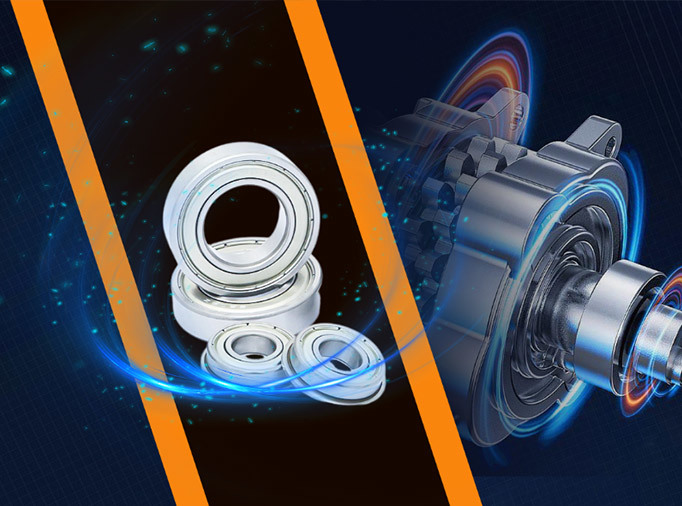
Micro bearings are meticulously designed to withstand high speeds and loads while occupying minimal space. They typically consist of an outer and inner ring, balls or rollers, a cage, and optional additional features such as seals or shields for protection against contaminants.
The materials used in micro bearings vary depending on the specific application. Common materials include stainless steel, chrome steel, and ceramic. Each material offers unique benefits, such as corrosion resistance, durability, or reduced weight.
## 3. Types of Micro Bearings and Their Applications
Micro bearings come in various types, each tailored to specific industrial requirements. Some of the most common types include:
### H1: Deep Groove Ball Bearings
Deep groove ball bearings are the most widely used micro bearings. They can accommodate radial and axial loads and are suitable for high-speed applications. These versatile bearings find applications in electric motors, automotive components, home appliances, and more.
### H2: Angular Contact Ball Bearings
Angular contact ball bearings are designed to handle combined radial and axial loads. They feature a contact angle, allowing them to support thrust loads in a single direction. This type of micro bearing is ideal for machine tools, robotics, and precision equipment.
### H2: Cylindrical Roller Bearings
Cylindrical roller bearings have high radial load capacity and are suitable for applications where space is limited. They offer excellent performance in gears, pumps, compressors, and other machinery.
### H2: Tapered Roller Bearings
Tapered roller bearings can support both radial and axial forces and are commonly used in vehicle transmissions, wheel hubs, and heavy machinery. Their unique design enables them to handle high loads efficiently.
### H2: Thrust Bearings
Thrust bearings are designed to support axial loads and prevent shaft misalignment. They find applications in automotive transmissions, aerospace systems, and heavy machinery.
## 4. Advantages of Micro Bearings
Micro bearings offer several key advantages that contribute to their widespread use in industrial applications:
### H2: Compact Size
Micro bearings' compact size enables them to fit into tight spaces, making them ideal for miniature and precision applications.
### H2: High Load Capacity
Despite their small size, micro bearings possess impressive load-bearing capabilities. They can handle substantial radial and axial loads, ensuring the efficient operation of machinery.
### H2: Reduced Friction
Micro bearings are engineered to minimize friction, resulting in smoother operation, reduced energy consumption, and increased overall efficiency.
### H2: High Speeds
With their high precision and low friction, micro bearings can handle high rotational speeds, enabling machinery to operate at optimal levels.
### H2: Enhanced Durability
Micro bearings are designed to withstand demanding industrial environments, including temperature variations, contamination, and heavy loads. This durability ensures reliable performance and reduces maintenance requirements.
## 5. Factors to Consider When Choosing Micro Bearings
Selecting the right micro bearings for your application is crucial for optimal performance and longevity. Consider the following factors:
### H1: Load Requirements
Determine the magnitude and direction of the loads your equipment will experience to choose micro bearings with the appropriate load capacity and type.
### H2: Speed Ratings
Consider the required rotational speeds of your machinery to ensure the chosen micro bearings can handle the desired velocity without compromising performance.
### H2: Environmental Conditions
Evaluate the operating environment, including temperature, vibration, and potential exposure to dust, moisture, or chemicals. Select micro bearings with suitable materials and sealing options to ensure durability and protection against contaminants.
### H2: Precision and Tolerance
Depending on your application's requirements, consider the level of precision and tolerance needed in the micro bearings. High-precision bearings are crucial for applications demanding accuracy and smooth operation.
### H2: Budget Considerations
Balance your equipment's performance needs with budget constraints, selecting micro bearings that offer the best value for your specific application.
## 6. Installation and Maintenance of Micro Bearings
Proper installation and maintenance play a significant role in maximizing the lifespan and performance of micro bearings. Follow these guidelines:
### H1: Installation
Ensure the bearing seats are clean and free from contaminants before installation. Apply appropriate lubrication and use suitable tools to avoid damage during the installation process. Follow manufacturer recommendations for torque values and ensure proper alignment.
### H2: Maintenance
Regularly inspect and clean micro bearings to remove debris and contaminants. Monitor for signs of wear, overheating, or abnormal noise. Follow the manufacturer's guidelines for lubrication intervals and use compatible lubricants to promote smooth operation and prevent premature failure.
## 7. Frequently Asked Questions (FAQs)
### H1: Q1: What is the maximum load capacity of micro bearings?
Micro bearings can handle varying load capacities depending on their design and size. Consult the manufacturer's specifications for specific load ratings.
### H2: Q2: Can micro bearings be used in high-temperature applications?
Yes, micro bearings are available in heat-resistant materials that allow them to operate in high-temperature environments. Consider the specific temperature limits provided by the manufacturer.
### H2: Q3: Are micro bearings suitable for precision equipment?
Absolutely. Micro bearings offer exceptional precision and are commonly used in precision equipment such as medical devices, optical instruments, and robotics.
### H2: Q4: Can I use micro bearings in corrosive environments?
Yes, certain micro bearings are designed with corrosion-resistant materials such as stainless steel or ceramics, making them suitable for corrosive environments.
### H2: Q5: Can micro bearings be customized for specific applications?
Yes, manufacturers often offer customization options to meet specific application requirements. Consult with a bearing specialist to discuss your customization needs.
## 8. Conclusion
Micro bearings are versatile, efficient, and play a crucial role in numerous industrial applications. Their compact size, high load capacity, and reduced friction contribute to enhanced overall performance and durability. By understanding the design, types, advantages, and factors to consider when selecting micro bearings, you can optimize your machinery's efficiency and unlock new possibilities in your industry. Embrace the world of micro bearings and take your industrial equipment to new heights.
Related recommend
Share
-
-
linkedin
-
VKontakte
-
YouTube
-
Twitter
-
TikTok
-
instagram
-
WhatsApp
-
E-mail

SERVICE HOTLINE
Add:No. 9, Fengshuidun Road, Luotuo Street, Zhenhai District, Ningbo City
Tel:0086-574-86583010
Fax:0086-574-86575268
Mob:+86 15869336060
E-mail:njjbearing@gmail.com
WhatsAPP:+008615869336060/+0086 15857406704
Copyright©2023 Ningbo Zhenhai JinjinnaichiBearing Co., Ltd. Powered by 300.cn SEO