

-

About Us
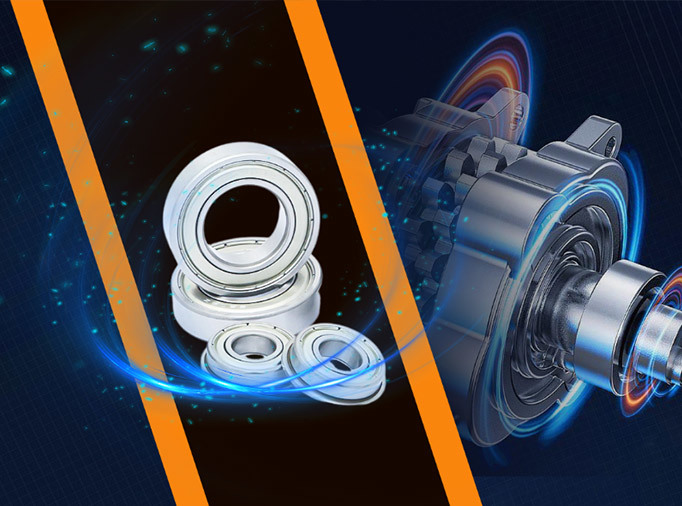
Ningbo Zhenhai Jinjinnaichi (NJJ) Bearing Co., Ltd. is a national high-tech enterprise specializing in the production of small-sized thin-wall low-noise deep-groove ball bearings.
-
Products
The company insists on relying on technological progress, adopting advanced technology and introducing advanced equipment, and is committed to the development and development of low noise bearings.
-

News
Now has more than 130 automatic production lines, equipped with a full set of advanced bearing testing equipment, has a full set of automatic assembly line, the use of automatic line in one step.
-

Contact
At present, the company selects the high-quality supplier resources in the industry, supporting the supply of bearing steel, steel ball, cage, dust cover and a series of raw materials


Understanding Ball Bearings: Essential Components for Industrial Equipment
Time:
2024-08-29
One of the primary functions of ball bearings is to minimize friction by replacing sliding contact with rolling motion. This transformation not only enhances the efficiency of machinery but also reduces heat generation during operation. The decreased friction leads to lower energy consumption, making ball bearings a preferred choice for engineers aiming to optimize the performance of their designs.
Ball bearings come in various types and designs, each tailored for specific applications. Some common types include deep groove ball bearings, angular contact ball bearings, and self-aligning ball bearings. Deep groove ball bearings are versatile and can handle both radial and axial loads, making them widely used in electric motors, gearboxes, and automotive applications. Angular contact ball bearings, on the other hand, are designed to accommodate axial loads in one direction, making them ideal for high-speed applications where precision is crucial.
Another key feature of ball bearings is their ability to handle misalignment. Self-aligning ball bearings, for example, have a unique design that allows for slight angular misalignments between the inner and outer races, ensuring smoother operation even when the shafts are not perfectly aligned. This characteristic is particularly beneficial in applications where equipment may experience vibrations or positional shifts.
In terms of maintenance, ball bearings are designed to operate reliably with minimal upkeep. However, regular inspection and lubrication are essential to ensure optimal performance and to extend their operational life. Lubricants reduce wear and tear on the bearing surfaces, allowing for smoother movement and preventing premature failure.
Additionally, the materials used in ball bearing construction play a significant role in their performance. While steel bearings are commonly used due to their strength and cost-effectiveness, ceramic bearings are gaining popularity for applications requiring high resistance to corrosion and extreme temperatures. The choice of material can significantly impact the bearing's durability and suitability for specific environments.
In conclusion, ball bearings are an integral part of industrial equipment, contributing to reduced friction, enhanced efficiency, and prolonged equipment lifespan. By understanding the various types and functions of ball bearings, professionals can make informed decisions when selecting the right components for their applications. Whether in automotive systems, manufacturing machinery, or any other industrial context, ball bearings play a pivotal role in ensuring optimal performance and reliability.
Related recommend
Share
-
-
linkedin
-
VKontakte
-
YouTube
-
Twitter
-
TikTok
-
instagram
-
WhatsApp
-
E-mail

SERVICE HOTLINE
Add:No. 9, Fengshuidun Road, Luotuo Street, Zhenhai District, Ningbo City
Tel:0086-574-86583010
Fax:0086-574-86575268
Mob:+86 15869336060
E-mail:njjbearing@gmail.com
WhatsAPP:+008615869336060/+0086 15857406704
Copyright©2023 Ningbo Zhenhai JinjinnaichiBearing Co., Ltd. Powered by 300.cn SEO