

-

About Us
Ningbo Zhenhai Jinjinnaichi (NJJ) Bearing Co., Ltd. is a national high-tech enterprise specializing in the production of small-sized thin-wall low-noise deep-groove ball bearings.
-
Products
The company insists on relying on technological progress, adopting advanced technology and introducing advanced equipment, and is committed to the development and development of low noise bearings.
-

News
Now has more than 130 automatic production lines, equipped with a full set of advanced bearing testing equipment, has a full set of automatic assembly line, the use of automatic line in one step.
-

Contact
At present, the company selects the high-quality supplier resources in the industry, supporting the supply of bearing steel, steel ball, cage, dust cover and a series of raw materials


Exploring the Advantages of Deep Groove Ball Bearings in Industrial Machinery
Time:
2024-09-01
Exploring the Advantages of Deep Groove Ball Bearings in Industrial Machinery
Table of Contents
- 1. Introduction to Deep Groove Ball Bearings
- 2. Key Design Features of Deep Groove Ball Bearings
- 3. Operational Benefits of Deep Groove Ball Bearings
- 4. Application Areas for Deep Groove Ball Bearings
- 5. Criteria for Selecting Deep Groove Ball Bearings
- 6. Maintenance Tips for Longevity
- 7. Environmental Factors and Deep Groove Ball Bearings
- 8. Future Trends in Bearing Technology
- 9. Conclusion
- 10. Frequently Asked Questions
1. Introduction to Deep Groove Ball Bearings
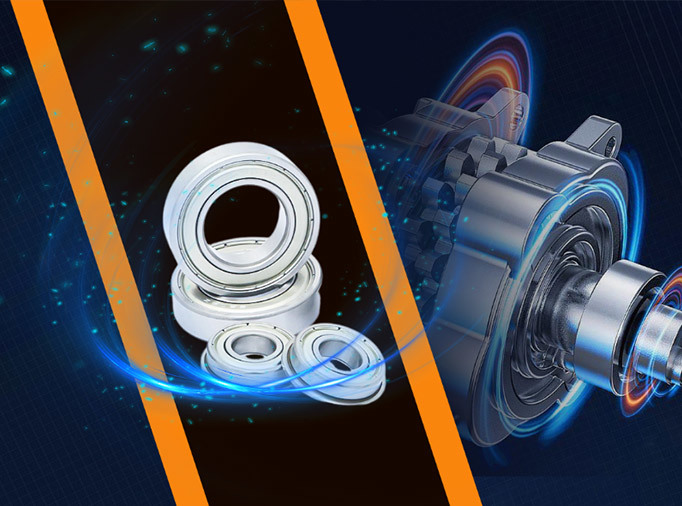
Deep groove ball bearings are a fundamental component in many types of industrial machinery. They consist of an outer ring, an inner ring, a cage, and balls, which allow for smooth rotational movement. Their design facilitates the accommodation of both radial and axial loads, making them incredibly versatile. This guide will delve into the **advantages** of using deep groove ball bearings in industrial applications, showcasing their critical role in machinery performance and reliability.
2. Key Design Features of Deep Groove Ball Bearings
The effectiveness of deep groove ball bearings stems from their unique design features.
2.1 Versatile Load Handling
Deep groove ball bearings can handle radial loads, axial loads, and a combination of both, which makes them suitable for a variety of applications. This versatility is particularly beneficial in industries where different types of loads are present.
2.2 High-Speed Performance
These bearings are designed for high-speed applications, often achieving speeds of up to 30,000 RPM. Their low friction design and efficient ball arrangement contribute to this capability, ensuring smooth operation even under demanding conditions.
2.3 Durability and Longevity
Deep groove ball bearings are manufactured using high-quality materials such as chrome steel or stainless steel, providing exceptional resistance to wear and tear. This durability translates into longer service life, which is a critical factor in industrial settings.
2.4 Variety of Sizes and Configurations
Available in various sizes and configurations, deep groove ball bearings can fit a wide range of machinery. This adaptability allows engineers and manufacturers to choose the ideal bearing for specific applications.
3. Operational Benefits of Deep Groove Ball Bearings
Utilizing deep groove ball bearings in industrial machinery brings significant operational benefits.
3.1 Enhanced Efficiency
The low friction of deep groove ball bearings minimizes energy loss during operation, enhancing overall efficiency. This efficiency can lead to reduced energy costs and improved productivity.
3.2 Reduced Maintenance Needs
With their robust construction and long service life, deep groove ball bearings require less frequent maintenance. This reduction in maintenance not only saves time but also lowers operational costs.
3.3 Improved Reliability
Deep groove ball bearings provide consistent performance even in challenging environments. Their ability to handle both radial and axial loads effectively ensures that machinery operates smoothly, reducing the risk of unexpected breakdowns.
3.4 Noise Reduction
The design of deep groove ball bearings contributes to lower noise levels in machinery operations. This is particularly important in industries where noise reduction is a priority, such as in manufacturing and automotive applications.
4. Application Areas for Deep Groove Ball Bearings
Deep groove ball bearings are used across a wide array of industrial applications.
4.1 Manufacturing Equipment
In manufacturing, these bearings support various types of machinery, including conveyor systems, motors, and pumps. Their ability to handle heavy loads while maintaining speed makes them ideal for these applications.
4.2 Automotive Industry
Deep groove ball bearings play a crucial role in automobiles, found in components such as wheels, engines, and transmissions. Their reliability ensures that vehicles operate safely and efficiently.
4.3 Aerospace Sector
The aerospace industry relies on deep groove ball bearings for their lightweight and high-performance characteristics, which are essential for aircraft components that require precision and dependability.
4.4 Robotics
In robotics, these bearings enable smooth movement and precision, which are vital for robotic applications in manufacturing and assembly lines.
5. Criteria for Selecting Deep Groove Ball Bearings
Choosing the right deep groove ball bearing for a specific application involves several considerations.
5.1 Load Requirements
Understanding the load requirements is crucial. Evaluating both the radial and axial loads will help in selecting the appropriate bearing size and type.
5.2 Speed Ratings
Each bearing has a designated speed rating. It is essential to choose a bearing that can operate efficiently within the required speed range for the application.
5.3 Environmental Conditions
Considering environmental factors such as temperature, humidity, and exposure to contaminants is vital. Selecting bearings that withstand harsh conditions can significantly enhance longevity.
5.4 Lubrication Options
Proper lubrication is essential for the performance of deep groove ball bearings. Understanding the lubrication options available, whether grease or oil, will help in maintaining optimal operation.
6. Maintenance Tips for Longevity
Maintaining deep groove ball bearings is essential for maximizing their lifespan.
6.1 Regular Inspections
Conducting regular inspections can help identify potential issues before they escalate. Look for signs of wear or unusual noise, which may indicate the need for maintenance.
6.2 Proper Lubrication
Ensuring that bearings are adequately lubricated will minimize friction and wear. Follow manufacturer guidelines for lubrication intervals and quantities.
6.3 Contamination Prevention
Preventing contamination from dust, dirt, and moisture is critical. Use seals or shields where appropriate to protect bearings from external elements.
6.4 Temperature Monitoring
Regularly monitor the operational temperature of bearings, as excessive heat can indicate a problem. Maintaining optimal temperature levels is crucial for bearing performance.
7. Environmental Factors and Deep Groove Ball Bearings
Deep groove ball bearings are often exposed to various environmental conditions that can affect their performance.
7.1 Temperature Fluctuations
Extreme temperature fluctuations can impact the materials used in bearings, leading to premature wear. Selecting bearings designed for wide temperature ranges can mitigate this issue.
7.2 Humidity and Corrosion
High humidity levels can lead to corrosion if the bearings are not properly sealed or protected. Using stainless steel or coated bearings in humid environments can enhance resistance to corrosion.
7.3 Vibration and Shock Loads
Machinery that experiences significant vibrations or shock loads can affect bearing performance. Choosing bearings with higher tolerance for these conditions can improve durability.
8. Future Trends in Bearing Technology
The bearing industry is evolving, with several trends shaping the future of deep groove ball bearings.
8.1 Advanced Materials
Research into advanced materials such as polymers and composites is ongoing. These materials can offer improved performance, reduced weight, and enhanced resistance to environmental factors.
8.2 Smart Bearings
The development of smart bearings that can monitor their condition in real-time is on the rise. These innovations aim to provide predictive maintenance, enhancing reliability and efficiency.
8.3 Sustainability Practices
Sustainability is a growing concern in manufacturing. Advances in eco-friendly materials and recycling practices are becoming more prevalent, aligning with global sustainability goals.
9. Conclusion
Deep groove ball bearings are indispensable components in industrial machinery, offering numerous advantages that enhance operational efficiency, reliability, and longevity. Their versatile design, ability to handle various loads, and high-speed capabilities make them suitable for countless applications across multiple industries. By understanding their benefits, applications, and maintenance requirements, manufacturers can optimize their use and maximize performance.
10. Frequently Asked Questions
10.1 What are deep groove ball bearings used for?
Deep groove ball bearings are used in various applications, including manufacturing equipment, automotive components, and robotics, due to their ability to handle both radial and axial loads.
10.2 How do I know if my bearings need maintenance?
Signs that bearings need maintenance include unusual noise, excessive heat, or visible wear. Regular inspections can help identify these issues early.
10.3 Can deep groove ball bearings be used in high-temperature environments?
Yes, some deep groove ball bearings are designed to withstand high-temperature environments. It is essential to select bearings rated for the specific temperature range of your application.
10.4 What is the difference between sealed and shielded bearings?
Sealed bearings have a rubber seal that prevents contaminants from entering, while shielded bearings have a metal shield that provides some protection but allows slight exposure to external elements.
10.5 How long do deep groove ball bearings typically last?
The lifespan of deep groove ball bearings can vary based on application, load, and maintenance, but with proper care and conditions, they can last several years.
Related recommend
Share
-
-
linkedin
-
VKontakte
-
YouTube
-
Twitter
-
TikTok
-
instagram
-
WhatsApp
-
E-mail

SERVICE HOTLINE
Add:No. 9, Fengshuidun Road, Luotuo Street, Zhenhai District, Ningbo City
Tel:0086-574-86583010
Fax:0086-574-86575268
Mob:+86 15869336060
E-mail:njjbearing@gmail.com
WhatsAPP:+008615869336060/+0086 15857406704
Copyright©2023 Ningbo Zhenhai JinjinnaichiBearing Co., Ltd. Powered by 300.cn SEO