

-

About Us
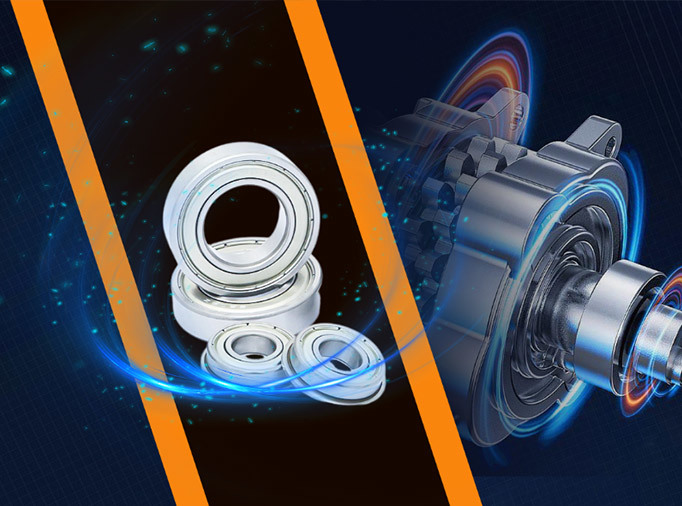
Ningbo Zhenhai Jinjinnaichi (NJJ) Bearing Co., Ltd. is a national high-tech enterprise specializing in the production of small-sized thin-wall low-noise deep-groove ball bearings.
-
Products
The company insists on relying on technological progress, adopting advanced technology and introducing advanced equipment, and is committed to the development and development of low noise bearings.
-

News
Now has more than 130 automatic production lines, equipped with a full set of advanced bearing testing equipment, has a full set of automatic assembly line, the use of automatic line in one step.
-

Contact
At present, the company selects the high-quality supplier resources in the industry, supporting the supply of bearing steel, steel ball, cage, dust cover and a series of raw materials


Understanding Deep Groove Ball Bearings: Essential Insights for Industrial Applications
Time:
2024-09-04
The design of deep groove ball bearings consists of an inner ring, outer ring, balls, and a cage. The races—grooved surfaces on the inner and outer rings—facilitate smooth rotation of the balls, which reduces friction and allows for efficient movement. Due to their simple design and ease of manufacture, deep groove ball bearings can be produced at a relatively low cost while still providing excellent performance.
One of the primary advantages of deep groove ball bearings is their ability to support both radial and axial loads. This dual capability makes them suitable for a wide range of applications, from electric motors and pumps to automotive components and industrial machinery. They are particularly effective in environments where space is limited, as their compact design allows for installation in tight configurations.
Deep groove ball bearings also offer a high speed capability. This feature is crucial for applications involving rotating equipment, where maintaining optimal performance at high speeds is necessary. Furthermore, these bearings exhibit low noise operation, which is often a requirement in many industrial settings, especially in residential and commercial areas.
Lubrication plays a significant role in the performance and longevity of deep groove ball bearings. Proper lubrication reduces friction and wear, thereby extending the bearing's service life. Various lubrication methods can be employed, including greases and oils, depending on the specific application requirements and operating conditions.
Another aspect to consider is the material composition of deep groove ball bearings. Common materials include steel, stainless steel, and ceramic, each offering unique benefits. For instance, stainless steel bearings are resistant to corrosion, making them ideal for applications in harsh environments, while ceramic bearings provide greater durability and can withstand higher speeds.
In summary, deep groove ball bearings are an integral component in numerous industrial applications, thanks to their robust design, versatility, and efficiency in handling loads. Understanding their features and benefits can help professionals make informed decisions when selecting bearings for their equipment. By prioritizing quality and appropriate lubrication, industries can ensure that their machinery operates smoothly, efficiently, and for an extended period, ultimately leading to reduced downtime and maintenance costs.
Related recommend
Share
-
-
linkedin
-
VKontakte
-
YouTube
-
Twitter
-
TikTok
-
instagram
-
WhatsApp
-
E-mail

SERVICE HOTLINE
Add:No. 9, Fengshuidun Road, Luotuo Street, Zhenhai District, Ningbo City
Tel:0086-574-86583010
Fax:0086-574-86575268
Mob:+86 15869336060
E-mail:njjbearing@gmail.com
WhatsAPP:+008615869336060/+0086 15857406704
Copyright©2023 Ningbo Zhenhai JinjinnaichiBearing Co., Ltd. Powered by 300.cn SEO