

-

About Us
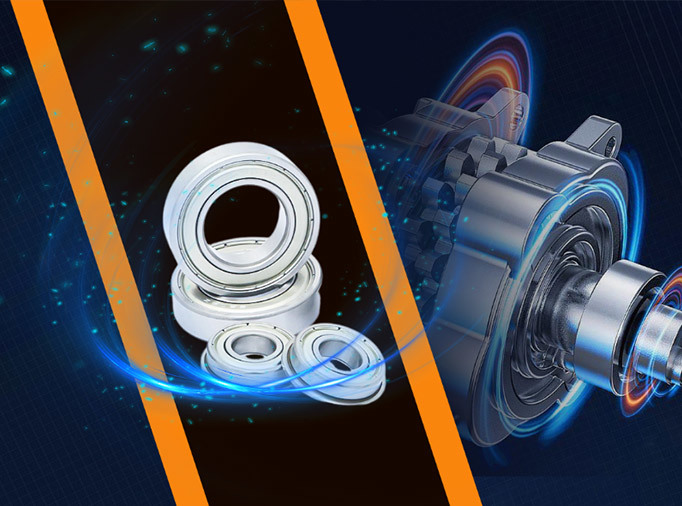
Ningbo Zhenhai Jinjinnaichi (NJJ) Bearing Co., Ltd. is a national high-tech enterprise specializing in the production of small-sized thin-wall low-noise deep-groove ball bearings.
-
Products
The company insists on relying on technological progress, adopting advanced technology and introducing advanced equipment, and is committed to the development and development of low noise bearings.
-

News
Now has more than 130 automatic production lines, equipped with a full set of advanced bearing testing equipment, has a full set of automatic assembly line, the use of automatic line in one step.
-

Contact
At present, the company selects the high-quality supplier resources in the industry, supporting the supply of bearing steel, steel ball, cage, dust cover and a series of raw materials


Enhancing Machinery Performance with Deep Groove Ball Bearings: A Comprehensive Guide
Time:
2024-09-07
Enhancing Machinery Performance with Deep Groove Ball Bearings
Table of Contents
- 1. Introduction to Deep Groove Ball Bearings
- 2. Key Design Features of Deep Groove Ball Bearings
- 3. Benefits of Using Deep Groove Ball Bearings in Machinery
- 4. Applications of Deep Groove Ball Bearings in Various Industries
- 5. Maintenance Tips for Deep Groove Ball Bearings
- 6. Common Issues and How to Solve Them
- 7. How to Choose the Right Deep Groove Ball Bearing
- 8. Future Trends in Bearing Technology
- 9. Conclusion
- 10. Frequently Asked Questions (FAQs)
1. Introduction to Deep Groove Ball Bearings
Deep groove ball bearings are one of the most widely used types of rolling element bearings in industrial applications. Their design allows them to accommodate both radial and axial loads, making them suitable for a variety of machinery. In this article, we will explore how these bearings enhance machinery performance by improving efficiency, reducing maintenance costs, and increasing the lifespan of equipment.
2. Key Design Features of Deep Groove Ball Bearings
Deep groove ball bearings possess several distinctive features that contribute to their effectiveness:
2.1 Simple Design and Versatility
With a straightforward design consisting of an outer ring, inner ring, balls, and a cage, deep groove ball bearings are versatile enough to handle various types of loads. Their simplicity makes them easy to install and maintain, leading to optimized performance in numerous applications.
2.2 High Load Capacity
These bearings can support significant radial and axial loads, making them suitable for heavy machinery. The design provides maximum contact between the balls and raceway, resulting in increased load capacity and stability.
2.3 Low Friction and Heat Generation
Deep groove ball bearings are engineered to minimize friction during operation. This low friction design results in reduced heat generation, translating to lower operating temperatures and longer service life.
2.4 Sealed and Shielded Options
Many deep groove ball bearings come with seals or shields to protect against contaminants such as dust and moisture. This feature is crucial in maintaining optimal performance and preventing premature failure.
3. Benefits of Using Deep Groove Ball Bearings in Machinery
Incorporating deep groove ball bearings into machinery offers numerous advantages:
3.1 Enhanced Efficiency
Due to their low friction design, deep groove ball bearings help machinery operate more efficiently. Lower energy consumption equates to reduced operational costs, making them an economical choice for industrial applications.
3.2 Increased Equipment Lifespan
The durability and reliability of deep groove ball bearings contribute to the overall lifespan of machinery. By reducing wear and tear, these bearings can extend the time between maintenance cycles, leading to lower downtime and greater productivity.
3.3 Versatility Across Various Applications
These bearings are adaptable and can be used in a wide range of machinery, from electric motors to automotive applications. Their versatility makes them an ideal choice for industries such as manufacturing, aerospace, and robotics.
4. Applications of Deep Groove Ball Bearings in Various Industries
Deep groove ball bearings find applications across multiple sectors:
4.1 Manufacturing
In manufacturing environments, deep groove ball bearings are used in conveyor systems, pumps, and machinery where high precision and reliability are critical.
4.2 Automotive
In the automotive industry, these bearings are commonly found in wheel hubs, transmission systems, and electric power steering systems, ensuring smooth operation and enhancing vehicle performance.
4.3 Aerospace
The aerospace sector relies on deep groove ball bearings for aircraft engines and landing gear due to their ability to withstand extreme conditions while maintaining performance.
4.4 Robotics
In robotics, these bearings support various movements and functions, allowing robots to operate efficiently and with precision.
5. Maintenance Tips for Deep Groove Ball Bearings
Proper maintenance is key to maximizing the performance and lifespan of deep groove ball bearings. Here are some tips:
5.1 Regular Inspections
Conduct regular inspections to identify any signs of wear, misalignment, or damage. Early detection of issues can prevent costly repairs and downtime.
5.2 Lubrication
Maintain appropriate lubrication levels to reduce friction and heat. Use high-quality lubricants recommended for your specific application.
5.3 Keep Bearings Clean
Ensure that the bearings are free from contaminants by keeping the surrounding environment clean. Use seals or shields to protect against dirt and moisture.
5.4 Monitor Operating Conditions
Keep an eye on operating temperature and load conditions. Excessive heat or load can lead to premature bearing failure.
6. Common Issues and How to Solve Them
Understanding common issues with deep groove ball bearings can help in troubleshooting:
6.1 Overheating
If bearings are overheating, check for insufficient lubrication or excessive load. Adjust lubrication and load conditions as necessary.
6.2 Noise and Vibration
Unusual noise or vibration often indicates misalignment or wear. Inspect the bearings and surrounding components for proper alignment and signs of damage.
6.3 Excessive Wear
If wear is observed, consider whether the bearing is suitable for the application. Ensure that the right bearing type and size are used for the specific load and environment.
7. How to Choose the Right Deep Groove Ball Bearing
Selecting the appropriate deep groove ball bearing is crucial for optimal performance. Here are the key factors to consider:
7.1 Load Capacity
Evaluate the load requirements of your application. Ensure that the bearing can handle the specific radial and axial loads.
7.2 Speed Rating
Check the bearing’s speed rating to ensure it can operate effectively under your machinery’s operational speeds.
7.3 Environmental Conditions
Consider environmental factors, such as temperature, moisture, and contamination. Choose sealed or shielded bearings where necessary.
7.4 Material and Design
Select bearings made from high-quality materials that suit your application’s requirements, including corrosion resistance and durability.
8. Future Trends in Bearing Technology
The bearing industry is continuously evolving, with several trends shaping the future:
8.1 Smart Bearing Technology
The integration of sensors and IoT technology is paving the way for smart bearings that can monitor performance in real-time, helping to predict maintenance needs.
8.2 Advanced Materials
The development of new materials such as ceramics and composites may enhance bearing performance, offering improved wear resistance and lower weight.
8.3 Sustainable Manufacturing Practices
As industries aim for sustainability, manufacturers are focusing on eco-friendly production methods and recyclable materials for bearings.
9. Conclusion
Deep groove ball bearings play a crucial role in enhancing machinery performance across various industries. Their unique design features, along with numerous benefits, make them an ideal choice for applications requiring reliability, efficiency, and longevity. By understanding how to maintain these components and select the right bearings for specific uses, businesses can significantly improve operational performance and reduce costs. As technology advances, the future of deep groove ball bearings looks promising, with innovations poised to further enhance their functionality and efficiency.
10. Frequently Asked Questions (FAQs)
10.1 What are the main advantages of deep groove ball bearings?
The main advantages include high load capacity, low friction, versatility, and the ability to accommodate both radial and axial loads.
10.2 How do I know when to replace my deep groove ball bearings?
Signs that indicate a need for replacement include excessive noise, vibration, overheating, or visible wear and damage.
10.3 Can deep groove ball bearings be used in high-speed applications?
Yes, deep groove ball bearings are suitable for high-speed applications, provided they meet the specific speed rating for your machinery.
10.4 What is the difference between sealed and shielded deep groove ball bearings?
Sealed bearings have a seal to prevent contaminants from entering, while shielded bearings use a metal shield to offer protection with slightly less resistance.
10.5 How can I extend the lifespan of my deep groove ball bearings?
Regular maintenance, proper lubrication, and ensuring correct load conditions can significantly extend the lifespan of your bearings.
Related recommend
Share
-
-
linkedin
-
VKontakte
-
YouTube
-
Twitter
-
TikTok
-
instagram
-
WhatsApp
-
E-mail

SERVICE HOTLINE
Add:No. 9, Fengshuidun Road, Luotuo Street, Zhenhai District, Ningbo City
Tel:0086-574-86583010
Fax:0086-574-86575268
Mob:+86 15869336060
E-mail:njjbearing@gmail.com
WhatsAPP:+008615869336060/+0086 15857406704
Copyright©2023 Ningbo Zhenhai JinjinnaichiBearing Co., Ltd. Powered by 300.cn SEO