

-

About Us
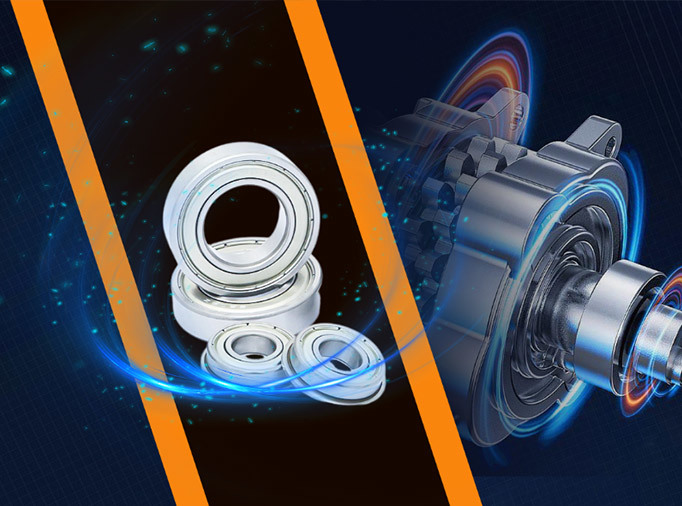
Ningbo Zhenhai Jinjinnaichi (NJJ) Bearing Co., Ltd. is a national high-tech enterprise specializing in the production of small-sized thin-wall low-noise deep-groove ball bearings.
-
Products
The company insists on relying on technological progress, adopting advanced technology and introducing advanced equipment, and is committed to the development and development of low noise bearings.
-

News
Now has more than 130 automatic production lines, equipped with a full set of advanced bearing testing equipment, has a full set of automatic assembly line, the use of automatic line in one step.
-

Contact
At present, the company selects the high-quality supplier resources in the industry, supporting the supply of bearing steel, steel ball, cage, dust cover and a series of raw materials


The World's Largest Ball Bearing: Engineering Marvels and Applications
Time:
2024-10-28
The largest ball bearings are typically found in industries such as aerospace, construction, and power generation. For instance, these bearings are critical in wind turbines, where they support the rotor shaft and help convert wind energy into electrical energy. Their ability to withstand high radial and axial loads while minimizing friction is vital for improving the overall efficiency of the turbine.
Manufacturing large ball bearings involves advanced engineering techniques and materials. Typically, high-grade steel or specialized alloys are used to achieve the desired durability and performance characteristics. The production process may involve precision machining, heat treatment, and surface finishing to ensure that the bearings can meet the stringent requirements of their applications.
One notable feature of the largest ball bearings is their ability to operate in extreme environments. For example, these bearings can be designed to function in high-temperature settings or under corrosive conditions, which are common in industries such as oil and gas exploration. The incorporation of protective coatings and sealing mechanisms further enhances their resilience and longevity, reducing the need for frequent maintenance or replacement.
In addition to their robust physical attributes, the largest ball bearings are often engineered with advanced features such as integrated sensors. These smart bearings can monitor parameters like temperature, vibration, and load, providing real-time data that can be used for predictive maintenance. This capability helps to identify potential issues before they become significant problems, ultimately resulting in reduced downtime and increased operational efficiency.
As technology continues to evolve, the design and manufacturing methods of large ball bearings are also advancing. Innovations such as additive manufacturing and advanced simulation techniques enable engineers to optimize bearing designs for specific applications. This not only leads to better performance but also allows for customization to meet the unique demands of different sectors.
In conclusion, the largest ball bearings exemplify the intersection of engineering excellence and technological innovation. Their critical role in various industries underscores the importance of these components in driving efficiency and performance in heavy machinery. As industries continue to push the boundaries of what is possible, the demand for advanced ball bearings will only grow, paving the way for future developments in this fascinating field.
Related recommend
Share
-
-
linkedin
-
VKontakte
-
YouTube
-
Twitter
-
TikTok
-
instagram
-
WhatsApp
-
E-mail

SERVICE HOTLINE
Add:No. 9, Fengshuidun Road, Luotuo Street, Zhenhai District, Ningbo City
Tel:0086-574-86583010
Fax:0086-574-86575268
Mob:+86 15869336060
E-mail:njjbearing@gmail.com
WhatsAPP:+008615869336060/+0086 15857406704
Copyright©2023 Ningbo Zhenhai JinjinnaichiBearing Co., Ltd. Powered by 300.cn SEO