

-

About Us
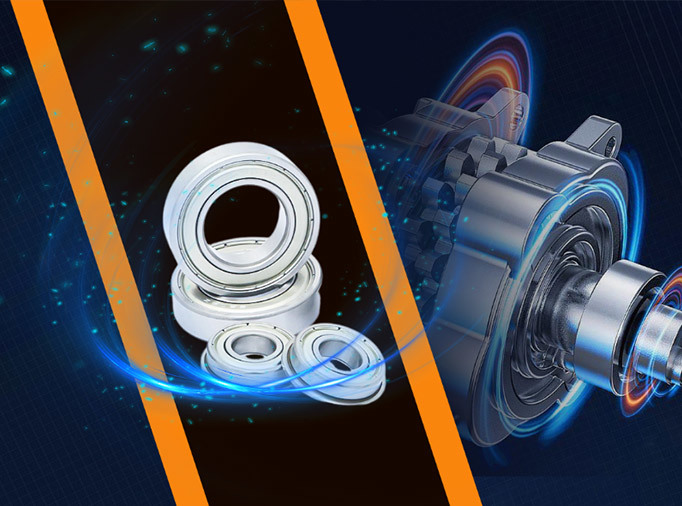
Ningbo Zhenhai Jinjinnaichi (NJJ) Bearing Co., Ltd. is a national high-tech enterprise specializing in the production of small-sized thin-wall low-noise deep-groove ball bearings.
-
Products
The company insists on relying on technological progress, adopting advanced technology and introducing advanced equipment, and is committed to the development and development of low noise bearings.
-

News
Now has more than 130 automatic production lines, equipped with a full set of advanced bearing testing equipment, has a full set of automatic assembly line, the use of automatic line in one step.
-

Contact
At present, the company selects the high-quality supplier resources in the industry, supporting the supply of bearing steel, steel ball, cage, dust cover and a series of raw materials


The Marvel of Engineering: Understanding the Largest Ball Bearing in the Industry
Time:
2024-12-19
The largest ball bearings are typically used in applications where heavy loads and high rotational speeds are present. In industries like aerospace, construction, and heavy machinery, these bearings ensure that engines and equipment can perform under extreme conditions. The ability to reduce friction and wear is critical in these high-stakes environments, making the correct choice of bearing essential.
One notable aspect of the largest ball bearings is their design. Unlike standard-sized bearings, which are widely used in everyday applications, these oversized versions require advanced materials and manufacturing processes. Engineers must consider factors such as load capacity, speed, and environmental conditions when designing these bearings. Common materials used include high-performance steel and composite materials, which provide durability and reliability under demanding conditions.
The advancements in bearing technology have led to the development of larger bearings that can support increased loads while maintaining efficiency. Innovations such as enhanced surface treatments and improved lubrication systems have made it possible for these bearings to operate at higher speeds and temperatures. Additionally, the trend towards automation and the incorporation of smart technologies in industrial equipment further highlights the importance of high-performance ball bearings.
In the context of applications, the largest ball bearings are often found in wind turbines, large construction equipment, and even in the aerospace industry, where they help to support aircraft engines and landing gear. Their ability to handle extreme loads and resist wear makes them invaluable in ensuring the reliability and longevity of critical equipment.
Understanding the role and advantages of the largest ball bearings can help professionals in the industrial sector make informed decisions regarding equipment design and maintenance. By investing in the right type of bearings, companies can enhance operational efficiency and reduce downtime, ultimately contributing to better productivity and cost-effectiveness.
In conclusion, the largest ball bearings represent a remarkable achievement in engineering, combining advanced materials and innovative design to meet the demands of modern industry. As technology continues to evolve, so too will the capabilities of these essential components, making them a focal point for future developments in industrial machinery.
Related recommend
Share
-
-
linkedin
-
VKontakte
-
YouTube
-
Twitter
-
TikTok
-
instagram
-
WhatsApp
-
E-mail

SERVICE HOTLINE
Add:No. 9, Fengshuidun Road, Luotuo Street, Zhenhai District, Ningbo City
Tel:0086-574-86583010
Fax:0086-574-86575268
Mob:+86 15869336060
E-mail:njjbearing@gmail.com
WhatsAPP:+008615869336060/+0086 15857406704
Copyright©2023 Ningbo Zhenhai JinjinnaichiBearing Co., Ltd. Powered by 300.cn SEO