

-

About Us
Ningbo Zhenhai Jinjinnaichi Bearing Co., Ltd. is a national high-tech enterprise specializing in the production of small-sized low-noise deep-groove ball bearings.
-
Products
The company insists on relying on technological progress, adopting advanced technology and introducing advanced equipment, and is committed to the development and development of low noise bearings.
-

News
Now has more than 70 automatic production lines, equipped with a full set of advanced bearing testing equipment, has a full set of automatic assembly line, the use of automatic line in one step.
-

Contact
At present, the company selects the high-quality supplier resources in the industry, supporting the supply of bearing steel, steel ball, cage, dust cover and a series of raw materials


Understanding Deep Groove Ball Bearings: Essential Insights for Industrial Applications
Time:
2024-10-12
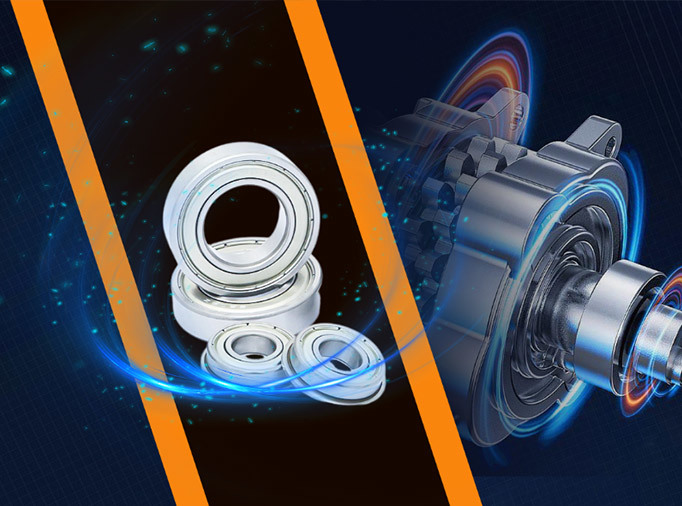
One of the primary characteristics of deep groove ball bearings is their structure, which consists of an inner and outer ring, balls, and a cage. The deep raceway grooves enable these bearings to accommodate both radial and axial loads, allowing for smooth and efficient operation even under high-speed conditions. This versatility makes them appropriate for applications where space is limited, and significant load-carrying capacity is required.
The operational efficiency of deep groove ball bearings stems from their ability to reduce friction. The balls roll between the inner and outer rings, minimizing sliding contact and enhancing wear resistance. This leads to longer service life and lower energy consumption, making these bearings a cost-effective choice for many applications.
In terms of installation, deep groove ball bearings require precise alignment and proper lubrication to function optimally. The lubrication can be provided through grease or oil, depending on the operational environment and speed requirements. Regular maintenance is essential to prevent contamination and ensure that the lubricant remains effective. A clean and well-lubricated bearing can significantly extend its lifespan and improve the overall efficiency of the machinery.
Moreover, it’s crucial to select the right size and load rating for a deep groove ball bearing corresponding to the application's specific requirements. Overloading a bearing can lead to premature failure, while under-loading may not utilize the bearing's full potential. Consulting with a bearing specialist or referencing manufacturer guidelines can help in determining the correct specifications needed for your application.
Deep groove ball bearings also come in various designs, including sealed or shielded options. Sealed bearings offer the advantage of being pre-lubricated and protected from contaminants, making them suitable for harsh environments. Shielded bearings, on the other hand, provide a balance of protection and ease of maintenance.
In conclusion, deep groove ball bearings are integral components in the industrial sector, renowned for their reliability and efficiency. By understanding their design, installation, and maintenance, professionals can ensure optimal performance and longevity in their machinery. Whether you are involved in manufacturing, automotive, or any other industry reliant on rotating equipment, recognizing the value of deep groove ball bearings will enhance your operational capabilities.
Related recommend
Share
SERVICE HOTLINE
Add:No. 9, Fengshuidun Road, Luotuo Street, Zhenhai District, Ningbo City
Tel:0086-574-86583010
Fax:0086-574-86575268
Mob:+86 15869336060
E-mail:njjbearing@gmail.com
WhatsAPP:+008615869336060
Copyright©2023 Ningbo Zhenhai JinjinnaichiBearing Co., Ltd. Powered by 300.cn SEO